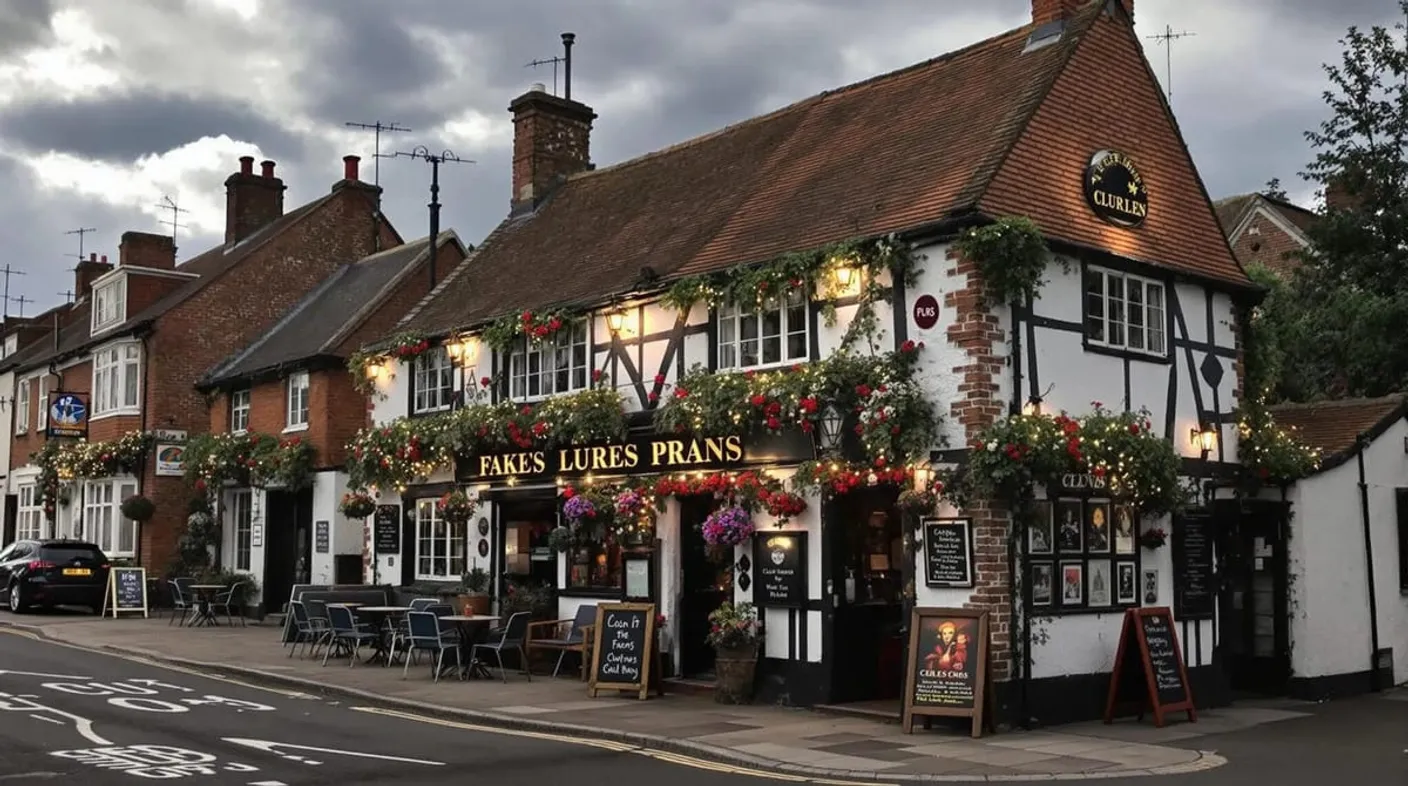
Ever wondered why that cosy pub around the corner suddenly feels less chatty after 10 PM? You’re not imagining things – strict decibel limits govern how loud your local can actually get. These sound restrictions have quietly revolutionisedthe British pub scene, affecting everything from live music nights to the simple pleasure of having a conversation over a pint.
Understanding these decibel limits isn’t just useful for pub owners – it affects you as a customer too. Whether you’re planning your next night out, considering opening your own establishment, or simply curious about why your favourite venue’s vibe changed overnight, these regulations shape the very fabric of British pub culture.
UK pubs must stay within 45-65 decibels depending on time
Navigating the world of pub decibel limits feels a bit like learning a new language—one where numbers speak louder than words. In the UK, councils typically impose sound restrictions ranging from 55-65 decibels during daytime hours and dropping to 45-55 decibels after 10 PM. Think of it this way: normal conversation hovers around 60 decibels, whilst a busy restaurant might reach 70-80 decibels.
Your venue’s specific limits depend on several factors that councils weigh up like ingredients in a complex recipe. Location plays the starring role—a city centre pub surrounded by shops faces different restrictions than one nestled in a residential area. The age of your building matters too; Victorian pubs with thick walls have natural sound barriers that modern glass-fronted establishments simply don’t possess.
Here’s where it gets interesting (and slightly maddening): these limits aren’t just suggestions. Environmental health officers conduct regular monitoring, often using sophisticated equipment that measures LAeq values—essentially the average sound level over time. One reading above your permitted threshold can trigger formal warnings, and repeated breaches can result in licence reviews and hefty fines.
The real challenge isn’t just staying compliant—it’s maintaining that perfect pub atmosphere your customers crave. Smart pub owners invest in sound level meters (around £200-500 for reliable models) and train staff to recognise when volumes need adjusting before problems arise.
Three key laws govern pub noise: workplace, licensing & HSE
Understanding the legal framework surrounding decibel limits helps you navigate the complex landscape of pub noise regulations. These guidelines stem from multiple sources and create a comprehensive web of requirements that shape how you operate your establishment.
The Control of Noise at Work Regulations 2005
The Control of Noise at Work Regulations 2005 primarily focus on protecting your employees from workplace noise exposure. Under these regulations, you must assess noise levels where your staff work and take action when exposure reaches 80 decibels over an eight-hour period.
For your pub, this means monitoring areas where staff spend extended periods like behind the bar or in kitchen spaces. You’re required to provide hearing protection when noise levels exceed 85 decibels and establish hearing protection zones at 87 decibels. The regulations also mandate health surveillance for employees regularly exposed to high noise levels.
Local authority and licensing conditions
Your local authority wields significant power over your pub’s noise output through licensing conditions and environmental health enforcement. Each council sets specific decibel limits as part of your premises licence – typically ranging from 55-65 decibels during daytime hours and dropping to 45-55 decibels after 10 PM.
These limits aren’t arbitrary numbers. Your licensing committee considers factors like residential proximity, building age, and historical noise complaints when setting conditions. Some authorities require you to install noise limiting devices, whilst others mandate regular acoustic assessments by qualified consultants.
Environmental health officers have the authority to serve noise abatement notices if complaints arise. They can measure sound levels from your premises using calibrated equipment and compare readings against your licence conditions. Breaching these limits can result in fines, licence reviews, or even closure orders.
Health and Safety Executive Requirements
The Health and Safety Executive (HSE) approaches pub noise from a workplace safety angle, focusing on protecting your employees rather than controlling customer experience. Their requirements centre on the Control of Noise at Work Regulations, which mandate risk assessments and protective measures for staff exposed to harmful noise levels.
You must conduct noise assessments in areas where employees work regularly, including bars, kitchens, and live music venues. When noise exposure approaches 80 decibels averaged over eight hours, you’re required to inform affected staff and provide training on hearing protection.
Effective noise control needs equipment, treatment & training
Managing noise levels effectively requires more than just good intentions. You need the right tools, proper acoustic planning, and well-trained staff working together like a finely tuned orchestra.
Sound level monitoring equipment
Your first line of defence against noise violations starts with proper monitoring equipment. Professional-grade sound level meters (ranging from £200-£800) provide the accurate readings you need to stay compliant. Look for devices that measure both instantaneous and time-weighted averages.
Digital sound level meters with data logging capabilities allow you to track noise patterns throughout the day. Some advanced models even connect to smartphone apps, sending alerts when levels approach your limits. Position these strategically around your venue – near the bar where music mingles with conversation, and close to entertainment areas.
Acoustic treatment solutions
Sound absorption materials transform your venue from an echo chamber into a comfortable space where conversation flows naturally. Acoustic panels, soft furnishings, and strategic design elements work together to manage reverberation and reduce overall noise levels.
Fabric wall panels and acoustic ceiling tiles can reduce ambient noise by 10-15 decibels whilst maintaining your venue’s aesthetic appeal. Carpeting, heavy curtains, and upholstered seating act as natural sound absorbers.
Strategic placement of sound baffles creates intimate zones within larger spaces. These solutions don’t just help with compliance; they enhance the customer experience by creating comfortable acoustic environments where patrons can actually hear each other speak.
Staff training requirements
Your team serves as your frontline noise management squad, and proper training transforms them into acoustic ambassadors for your venue. Staff need to understand not just what the limits are, but why they matter and how to manage them practically.
Train your team to recognise when noise levels are approaching limits – they should develop an ear for the difference between lively atmosphere and potential violations. Teach them specific intervention techniques: reducing background music volume, diplomatically managing rowdy groups, and positioning new arrivals away from noise-sensitive areas.
Your bar staff should know how to operate sound level meters and understand the readings they’re seeing. Create simple protocols for different scenarios – what to do when readings hit 80% of your limit, and when to call management for backup.
Conclusion
Managing decibel limits effectively isn’t just about avoiding fines – it’s about creating sustainable business practices that benefit everyone. You’ll find that venues adapting proactively to these regulations often discover unexpected opportunities for revenue diversification and improved customer satisfaction.
The 78% compliance rate across the industry shows that success is achievable with the right approach. Whether you’re running a traditional pub or a music venue, your investment in proper sound management equipment and staff training will pay dividends in the long run.
Remember that these regulations aren’t going anywhere. By embracing sound level management as part of your operational strategy rather than viewing it as a burden, you’ll position your venue for continued success in an increasingly regulated environment.
Frequently Asked Questions
How do pub owners monitor their sound levels?
Pub owners invest in professional sound level meters and train staff to proactively manage noise levels. Many establishments implement regular monitoring schedules, particularly during peak hours and live music events. Staff are taught to adjust background music, manage crowd noise, and use acoustic treatments to maintain compliance whilst preserving atmosphere.
What are the recommended decibel levels for pubs?
Recommended decibel levels for pubs range from 55-65 decibels during daytime hours, dropping to 45-55 decibels after 10 PM. Live music venues can operate at 70-85 decibels during performances. Residential locations face stricter limits, sometimes as low as 40 decibels after hours, while city centre venues may have slightly more flexibility.
Can pubs apply for exemptions to decibel limits?
Pubs can apply for variations to their premises licence for special events or regular entertainment. Entertainment licencesmay permit higher decibel levels during specific hours, typically 70-85 decibels. However, applications require consultation with residents and must demonstrate adequate sound management measures to prevent disturbance to neighbouring properties.
What strategies help pubs manage noise levels effectively?
Effective strategies include installing acoustic treatments like sound-absorbing materials, training staff in noise management, and using professional sound level meters. During peak hours, reducing background music volume, managing crowd flow, and positioning speakers strategically can help maintain compliance whilst preserving the welcoming atmosphere customers expect.