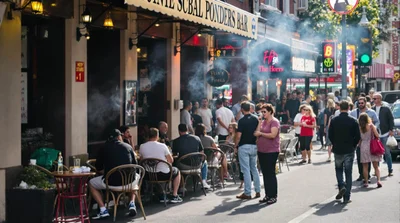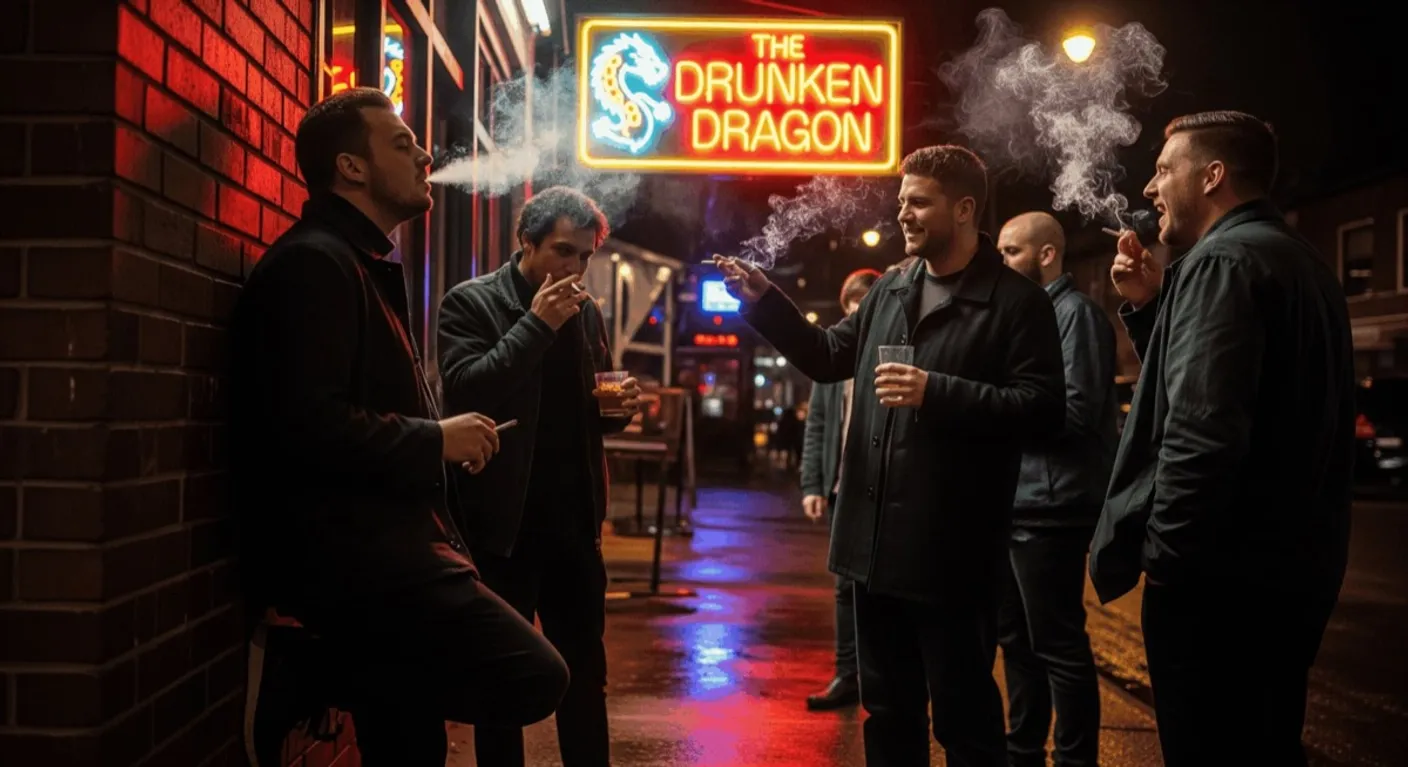
Smoking regulations in the United States aren’t one-size-fits-all. What flies in a Nashville honky-tonk might land you with a hefty fine in a Manhattan cocktail lounge. And as vaping and e-cigarettes blur the lines even further, staying informed isn’t optional—it’s essential for protecting your business, your staff, and your bottom line.
In this guide, we’re breaking down everything you need to know about smoking in bars across the country. We’ll explore how federal and state laws stack up, which states still permit lighting up indoors, the exceptions that might apply to your venue, what penalties you could face for violations, and how vaping regulations fit into the mix. Whether you’re opening a new spot or just want to make sure you’re on the right side of the law, you’re in the right place.
How smoking ban laws work across US states and localities
Smoking ban laws in the U.S. are a bit like a jigsaw puzzle—lots of pieces, and they don’t all fit together the same way. Unlike some countries with a blanket national ban, the United States leaves most of the heavy lifting to individual states and even local municipalities. That means the rules governing whether someone can spark up in your bar depend heavily on your zip code.
Let’s untangle the basics so you can see where your establishment fits in.
Federal vs state rules
Here’s the deal: there is no federal law that outright bans smoking in bars, restaurants, or other privately owned businesses across the United States. The federal government has mostly stayed out of the indoor smoking debate, leaving it up to states to craft their own policies.
What the feds have done is ban smoking in certain federally controlled spaces—think federal buildings, airplanes, and buses. But your corner bar? That’s state (and often local) territory.
This decentralized approach means smoking laws vary wildly depending on where you operate. Some states have comprehensive smoke-free laws that cover nearly all indoor workplaces, including bars and restaurants. Others have more relaxed rules, or none at all. A handful of states let localities decide, which can create a confusing patchwork even within the same state.
For bar and restaurant owners, this means you need to know your state’s specific laws, and possibly your city or county ordinances, too. What’s legal in one neighborhood might not be just a few miles down the road.
How indoor smoking bans work
When a state or locality passes an indoor smoking ban, it typically defines what counts as an “indoor” space and which types of businesses are covered. Most comprehensive bans include bars, restaurants, nightclubs, and any workplace where employees are present.
The logic? Protecting workers from secondhand smoke. Courts and lawmakers have generally sided with the argument that bartenders, servers, and other staff shouldn’t have to risk their health just to earn a paycheck. Even if your patrons are okay with smoking, your employees’ rights often take precedence.
Indoor smoking bans usually work like this:
- Prohibition of combustible tobacco products: Cigarettes, cigars, pipes, and sometimes hookah are banned indoors.
- Enforcement through health departments: Local or state health agencies are typically responsible for inspections and citations.
- Fines and penalties: Violations can result in fines for the business owner, the individual smoker, or both.
- Exceptions and carve-outs: Some laws include specific exemptions (more on that in a bit).
Which states still allow smoking in bars and restaurants today
Believe it or not, there are still a handful of states where you can legally light up inside a bar—no outdoor patio required. If you’re operating in one of these places, you’ve got more flexibility (though that doesn’t mean you should necessarily encourage it).
As of now, around a dozen states have no statewide ban on smoking in bars. These states either have no indoor smoking laws at all or have laws with significant exemptions that allow bars to permit smoking.
The states where smoking in bars is still broadly allowed include:
- Alabama (some local bans may apply)
- Arkansas
- Kentucky
- Mississippi
- Missouri
- Oklahoma (with some local restrictions)
- South Carolina
- Texas (no statewide ban, but many cities have their own rules)
- West Virginia
- Wyoming
A few other states, like Nevada, Montana, and Louisiana, allow smoking in bars under certain conditions, such as if the bar doesn’t serve food or meets other specific criteria.
But here’s the catch: even in states without a statewide ban, individual cities and counties can (and often do) impose their own restrictions. For example, Texas has no state law banning smoking in bars, but cities like Austin, Dallas, and San Antonio have strict local ordinances. So even if your state is on the “allowed” list, double-check your local rules before you set out ashtrays.
What are the exceptions to indoor smoking bans for bars
Even in states with strict indoor smoking bans, there are often exceptions carved out for specific types of venues. If your establishment falls into one of these categories, you might be able to allow smoking legally and without risking a citation.
Let’s walk through the most common exceptions.
Cigar bars and tobacco shops
Many states with comprehensive smoking bans include an exemption for cigar bars, hookah lounges, and tobacco businesses where smoking is integral to the business model. These are sometimes called “designated smoking establishments” or “tobacco specialty retail stores.”
To qualify, your business typically needs to meet specific criteria, such as:
- Tobacco sales as primary revenue: A certain percentage of your income (often 60% or more) must come from the sale of tobacco products.
- Age restrictions: Only patrons 18 or 21+ are allowed inside.
- No food service: Many states require that designated smoking establishments don’t serve food, or only serve minimal packaged snacks.
Outdoor patios and smoking areas
This is the most common workaround for bars in states with indoor bans: outdoor patios and designated smoking areas. If you have an outdoor space, you can often allow smoking there, even if it’s banned inside.
But (you knew there was a but, right?) “outdoor” doesn’t always mean what you think it does. Many state and local laws define an outdoor area based on factors like:
- Open-air vs. enclosed: If your patio has a roof and walls on multiple sides, some jurisdictions may consider it “enclosed” and hence subject to the indoor smoking ban.
- Proximity to entrances: Some laws require smoking areas to be a certain distance (like 15 or 25 feet) from doorways, windows, and air intakes to prevent smoke from drifting inside.
- Ventilation: Even if your patio is technically outdoors, local rules might restrict smoking if it’s too close to indoor seating or ventilation systems.
Private clubs and members-only venues
Some states also carve out exceptions for private clubs and members-only establishments. The idea is that if your bar isn’t open to the general public, and instead operates as a private club with membership fees, you might be exempt from smoking bans.
To qualify as a private club under smoking exemptions, you typically need to:
- Require paid membership: Patrons must join and pay dues to gain access.
- Restrict public access: You can’t operate like a regular bar where anyone can walk in off the street.
- Limit employee exposure: Some states still require that employees consent to working in a smoking environment, or that you take extra precautions.
Penalties for violating smoking laws: from fines to license loss
So, what happens if you (or one of your patrons) breaks the smoking rules? Spoiler alert: it’s not fun, and it can get expensive fast.
Penalties for violating smoking bans vary by state and locality, but they generally fall into a few categories: fines, business sanctions, and, in extreme cases, license suspension or revocation.
Fines for individuals: In many places, the person doing the smoking can be fined. These fines are usually modest, anywhere from $50 to $500 for a first offense. Repeat offenders might face steeper penalties.
Fines for business owners: This is where it really stings. As the owner or operator, you can be held responsible if smoking occurs in your establishment in violation of the law. Fines for businesses often range from $100 to $1,000 for a first violation, and they escalate sharply for repeat offenses. In some jurisdictions, you could face fines of several thousand dollars if you’re a chronic violator.
Warnings and citations: Health inspectors or local enforcement officers can issue warnings or citations. A warning might give you a chance to correct the issue, but repeated violations will result in formal citations and fines.
License suspension or revocation: In the worst-case scenario, persistent violations can lead to the suspension or even revocation of your business license or liquor license. Losing your liquor license is basically a death sentence for most bars, so this isn’t something to take lightly.
Civil lawsuits: Beyond government fines, you could also face civil liability if an employee or patron sues you for exposing them to secondhand smoke. While these cases are less common, they’re not unheard of, and they can be costly to defend.
Vaping regulations vary by state but many treat e-cigs like smoking
Ah, vaping—the gray area that’s been causing headaches for bar owners since e-cigarettes became a thing. Are they treated the same as traditional cigarettes? Can patrons vape inside even if smoking is banned? The short answer: it depends.
Many states and localities have updated their smoking ban laws to include e-cigarettes and vaping devices. In these places, vaping is treated exactly like smoking, meaning if cigarettes are banned indoors, so are vapes.
States that have expanded their smoking bans to include e-cigarettes include:
- California
- New York
- New Jersey
- Oregon
- Utah
- Hawaii
- And many others
In these states, vaping in your bar is just as illegal as lighting up a Marlboro. Violators (and you, as the owner) can face the same fines and penalties.
But in states without explicit vaping regulations, the situation is murkier. Technically, if your state’s smoking ban only references “tobacco” or “combustible tobacco products,” e-cigarettes might not be covered. That said, even if vaping isn’t explicitly banned, many bar owners choose to prohibit it anyway.
Know your local smoking laws and stay compliant to avoid penalties
Here’s the short version: know your state and local laws inside and out. If you’re in a state with a comprehensive smoking ban, respect it, and enforce it consistently. If you’re lucky enough to operate in a place where smoking is still allowed, think carefully about whether it’s the right choice for your business. And if you have outdoor space or qualify for an exemption, make sure you’re dotting every I and crossing every T to stay compliant.
Remember, the landscape is always shifting. Vaping regulations are popping up like weeds, and more states are moving toward stricter smoking laws every year. Make it a habit to check in with your local health department or a legal advisor regularly, especially if you’re expanding, renovating, or changing your business model.
Frequently Asked Questions
What states still allow smoking in bars?
States where smoking in bars is generally allowed include Alabama, Arkansas, Kentucky, Mississippi, Missouri, Oklahoma, South Carolina, Texas, West Virginia, and Wyoming. However, individual cities within these states may have their own stricter smoking ordinances.
What is a designated smoking establishment exemption?
Some states exempt cigar bars and tobacco-specialty businesses from smoking bans. To qualify, venues typically must derive 60% or more of revenue from tobacco sales, restrict entry to adults only, and often cannot serve food.
How far from a building entrance must smokers stand?
Distance requirements vary by jurisdiction, but many local laws require smokers to stay 15 to 25 feet away from doorways, windows, and air intakes to prevent secondhand smoke from entering indoor spaces.