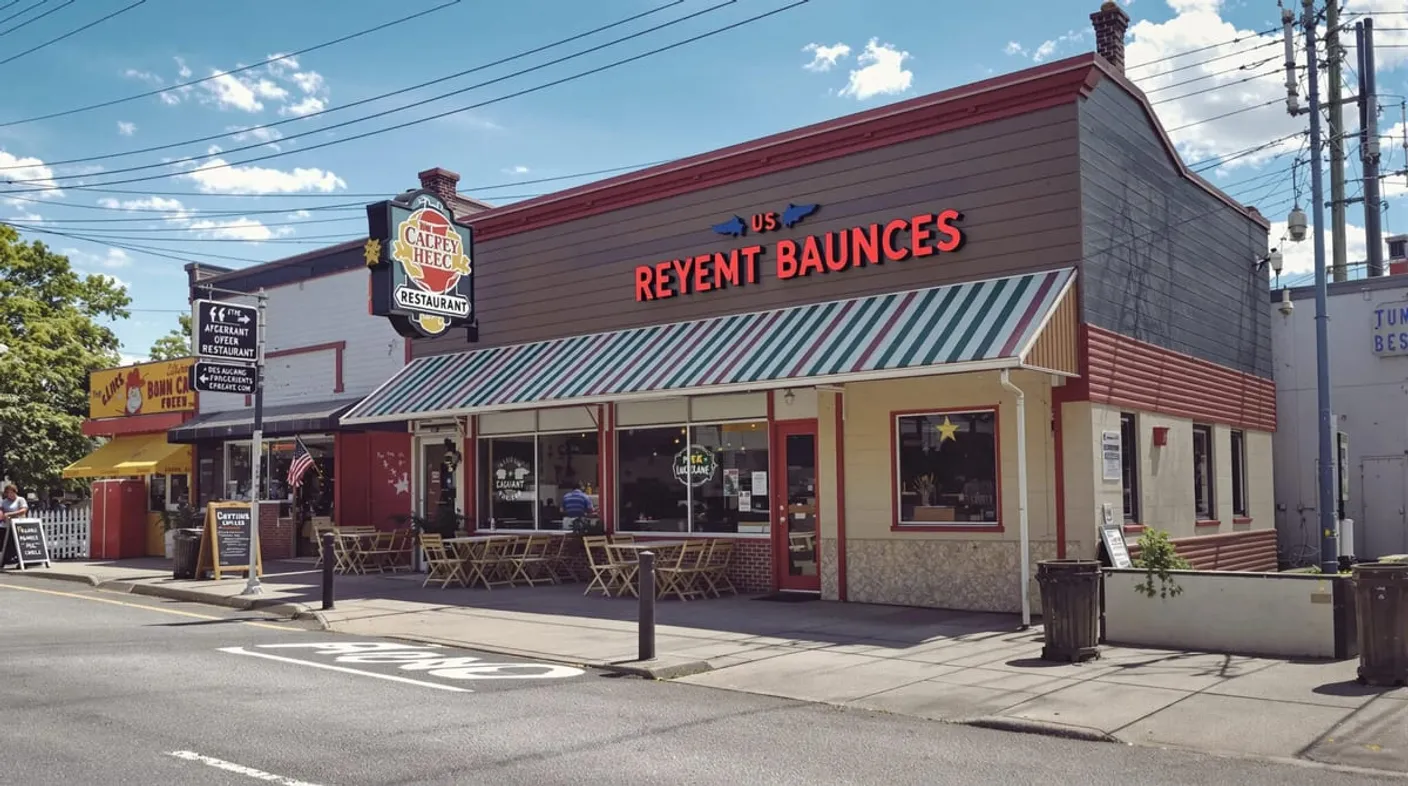
Opening a restaurant requires much more than passion for food and a great concept. You’ll face a daunting checklist of federal, state, and local licensing requirements that vary dramatically depending on your location and restaurant type. From basic business licenses to specialized permits for serving alcohol, each document serves as a crucial gateway between your vision and reality.
The licensing process might seem overwhelming, but understanding what’s required upfront can save you thousands of dollars and months of delays. Whether you’re planning a cozy café or an upscale dining establishment, knowing which licenses you need—and when to apply for them—will help transform your restaurant concept into a thriving business that operates legally and safely.
Essential licenses required to open a restaurant
Getting your restaurant licenses isn’t just paperwork—it’s the foundation that transforms your culinary dream into a legitimate business. Without proper permits, you’re running an expensive hobby that could get shut down by health inspectors.
Business license and formation
Your business license is your restaurant’s official registration with the government. Before serving customers, you need to register your business entity—LLC, corporation, or partnership. This protects your personal assets and establishes proper tax structure.
The process involves choosing your business structure, filing paperwork with your state, and obtaining a general business license from your municipality. Each city has different requirements based on seating capacity and zoning compliance.
Don’t rush this step. Your business formation affects tax obligations and liability protection. Many owners face expensive restructuring later when they realize they need different protection or tax advantages.
Federal Employer Identification Number (EIN)
Your EIN is your restaurant’s social security number—how the IRS identifies your business for taxes. You need this nine-digit number before hiring employees, opening business bank accounts, or filing returns. Getting an EIN is free through the IRS website.
You’ll use this number on payroll taxes, vendor agreements, and credit applications. Banks require it for business accounts, and suppliers need it for credit.
Apply directly through the official IRS website. Avoid third-party services that charge fees for this free service.
Food service license
Your food service license permits you to serve food to paying customers. This demonstrates your establishment meets safety and operational standards for food preparation and service.
Requirements vary by location but generally include proper food storage, adequate ventilation, and appropriate waste disposal. Some jurisdictions require certified food managers or specific handler training.
The application involves submitting floor plans, equipment specifications, and operational procedures. Inspectors evaluate everything from dishwashing setups to refrigeration systems.
Health department permits
Health department permits ensure your restaurant meets strict hygiene and safety standards. Health inspectors protect public health and will shut down operations that risk customer safety.
The process includes multiple inspections covering food storage temperatures, handwashing stations, pest control, lighting, ventilation, and food handling procedures. Most jurisdictions require annual renewals with surprise inspections.
Prepare thoroughly before inspections. Ensure equipment is properly installed, your three-compartment sink meets specifications, and you have adequate hot water. Missing details like hand soap or improper food labeling can delay opening by weeks.
Certificate of occupancy
Your certificate of occupancy (CO) proves your restaurant space is safe for public use and complies with building codes. This confirms your buildout meets fire safety, accessibility standards, and occupancy limits.
The CO process involves fire department reviews, electrical system checks, and accessibility verification. Inspectors count exits, measure aisle widths, and test safety systems like sprinklers and emergency lighting.
Plan for weeks or months for CO approval, depending on your buildout complexity and local government efficiency. Factor this timeline into your opening schedule—you cannot rush building inspectors who prioritize safety over speed.
Specialized permits for restaurant operations
Beyond foundational licenses, your restaurant needs specialized permits that vary dramatically by location and concept—what works in Manhattan might not work in rural Texas.
Liquor license requirements
Getting your liquor license is complex, expensive, and absolutely worth it. The process varies wildly by state, with some requiring months or years of waiting while others fast-track applications.
Different license types have different costs: beer and wine licenses typically cost $300-$3,000 annually, while full liquor licenses range from $10,000-$400,000 depending on location. Some states operate quota systems with waiting lists longer than your opening night reservations.
Start this process immediately. Many restaurateurs underestimate the timeline and end up serving virgin mojitos on opening night. Some areas require community approval meetings where neighbors voice concerns. Consider hiring a liquor license consultant to navigate local politics and paperwork efficiently.
Signage permits
Your restaurant’s signage is its first impression, and local authorities regulate it strictly. Signage permits ensure your display doesn’t create safety hazards or violate local aesthetics.
Every jurisdiction has different rules about size, height, lighting, and placement. Historic districts are particularly strict. Costs typically range from $50-$500 per sign, but violations can cost thousands in fines and forced removals.
Visit your local planning department before designing anything. Submit detailed drawings showing exact dimensions, colors, and mounting methods. The approval process usually takes 2-4 weeks, so factor this into your timeline.
Music and entertainment licenses
Planning background music or live entertainment? You’ll need proper licensing from performing rights organizations like ASCAP, BMI, and SESAC. These typically cost $300-$2,000 annually based on venue size and music usage.
Local noise ordinances dictate volume levels and operating hours. Many areas prohibit amplified music past 10 PM on weekdays or 11 PM on weekends. Live entertainment may require additional permits for amplified music, dancing, or performances. Copyright violations can result in hefty fines.
Seller’s and resale permits
Your seller’s permit allows you to collect and remit sales tax—making you a tax collector for your state. Most states require registration within 30 days of opening, with fees ranging from free to $50.
You’ll collect sales tax on most food items at rates varying from 0% to over 10%. The permit also allows tax-exempt purchases of ingredients and supplies from vendors. File returns monthly, quarterly, or annually depending on sales volume. Set up automatic reminders to avoid penalties and maintain vendor relationships.
Additional local and state requirements
Beyond foundational permits, your restaurant needs several additional approvals that often catch new owners off guard. These requirements vary by location, but skipping any can shut down your operation quickly.
Building and fire safety permits
Your building needs fire department approval before serving customers. Fire safety permits verify your restaurant can handle emergencies properly.
You’ll need permits for fire suppression systems, emergency exits, and occupancy limits. The fire marshal inspects kitchen hood systems, sprinklers, and exit lighting. Many municipalities require separate permits for commercial cooking equipment, especially gas lines or heavy-duty fryers.
The process takes 2-4 weeks, and you can’t open without approval. Schedule inspections well before your opening date—one failed inspection can delay your launch by weeks.
Pro tip: Walk through your space with the fire marshal during design. They’ll catch issues early, preventing costly retrofits. Some jurisdictions require annual renewals.
Employee health permits
Staff need health department clearance to handle food. Employee health permits ensure your team understands food safety and doesn’t pose health risks.
Most states require food handler permits for anyone touching ingredients. These involve completing a food safety course and exam covering handwashing, temperature control, and cross-contamination. Most courses are online and take a few hours.
Some positions need additional certifications—kitchen managers might need food protection certificates, bartenders need responsible service training. Certifications cost $15-75 per personand last 2-5 years.
Don’t wait until hiring to handle these requirements. Processing takes several days. Budget $300-500 for initial staff certifications and keep digital copies for health inspections.
Dumpster placement and utility permits
Trash and utilities need official approval. Dumpster placement permits ensure waste management doesn’t create hazards or block emergency access.
Cities require permits for commercial dumpsters, specifying distances from buildings and property lines. You’ll need approval for dumpster pads, drainage, and screening. Upscale neighborhoods have strict visual and pickup time rules.
Utility permits cover gas lines, electrical upgrades, and plumbing modifications. These ensure connections meet safety codes and don’t interfere with municipal systems.
Approval timelines vary—dumpster permits may take days, utility permits can take weeks. Start early, as delayed permits halt construction and burn budget.
Outdoor seating and parking permits
Outdoor seating can increase capacity by 30-50% but requires additional approvals. Sidewalk cafe and patio permits involve zoning reviews, ADA compliance, and neighbor notifications. You’ll need detailed drawings showing layouts, pathways, and barriers.
Parking permits matter too. Some municipalities require specific parking ratios per seats or square footage. If your location doesn’t comply, you might need off-site agreements or pay fees.
Approval takes 2-6 months, especially with neighbor objections or zoning issues. Start immediately after signing your lease. Outdoor seating can generate an extra $50,000-100,000 annually, making the permit process worthwhile.
Start your restaurant licensing process today
Your restaurant’s success depends heavily on securing the right licenses and permits before opening day. Each document you obtain protects your business from legal issues and ensures you’re operating within industry standards.
Remember that timing is everything when it comes to restaurant licensing. Starting your permit applications early—especially for liquor licenses—can save you months of delays and keep your opening timeline on track.
The investment in proper licensing pays dividends through smooth operations and peace of mind. While the process may seem overwhelming, you’re building the foundation for a legitimate, thriving restaurant business that complies with all regulations and serves your community safely.
Frequently Asked Questions
How much do restaurant licenses and permits cost?
Restaurant licensing costs vary significantly by location and permit type. Food-handling permits typically range from $100 to $1,000. Liquor licenses are the most expensive, costing anywhere from $300 to $14,000 depending on your state. Business licenses, signage permits, and certificates of occupancy usually cost between $50 to $500 each. Budget for unexpected fees and expedited processing costs.
What’s the difference between high and low regulatory states?
High-regulatory states like California, New York, and Florida have stringent licensing requirements that can extend the permit process to 3-6 months and cost significantly more. Low-regulatory states like Wyoming have simpler requirements with faster processing times. Research your specific state and local regulations thoroughly, as requirements can vary dramatically even within the same state.
Can I apply for multiple restaurant permits simultaneously?
Yes, applying for permits in parallel is recommended to streamline the opening process. Create a permit timeline and submit applications simultaneously when possible. However, some permits like the certificate of occupancy may require completion of building modifications first. Start with permits that have the longest processing times, particularly liquor licenses, to avoid delays.
What happens if I operate without proper restaurant licenses?
Operating without proper licenses can result in hefty fines, forced closure, and legal liability. You risk losing your investment and facing criminal charges for serious violations. Additionally, insurance may not cover incidents if you’re operating illegally. Always ensure all permits are obtained and current before opening to protect your business and customers.