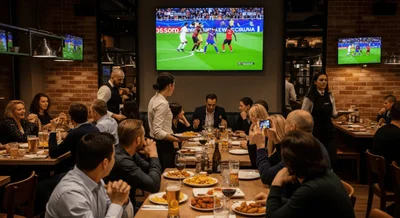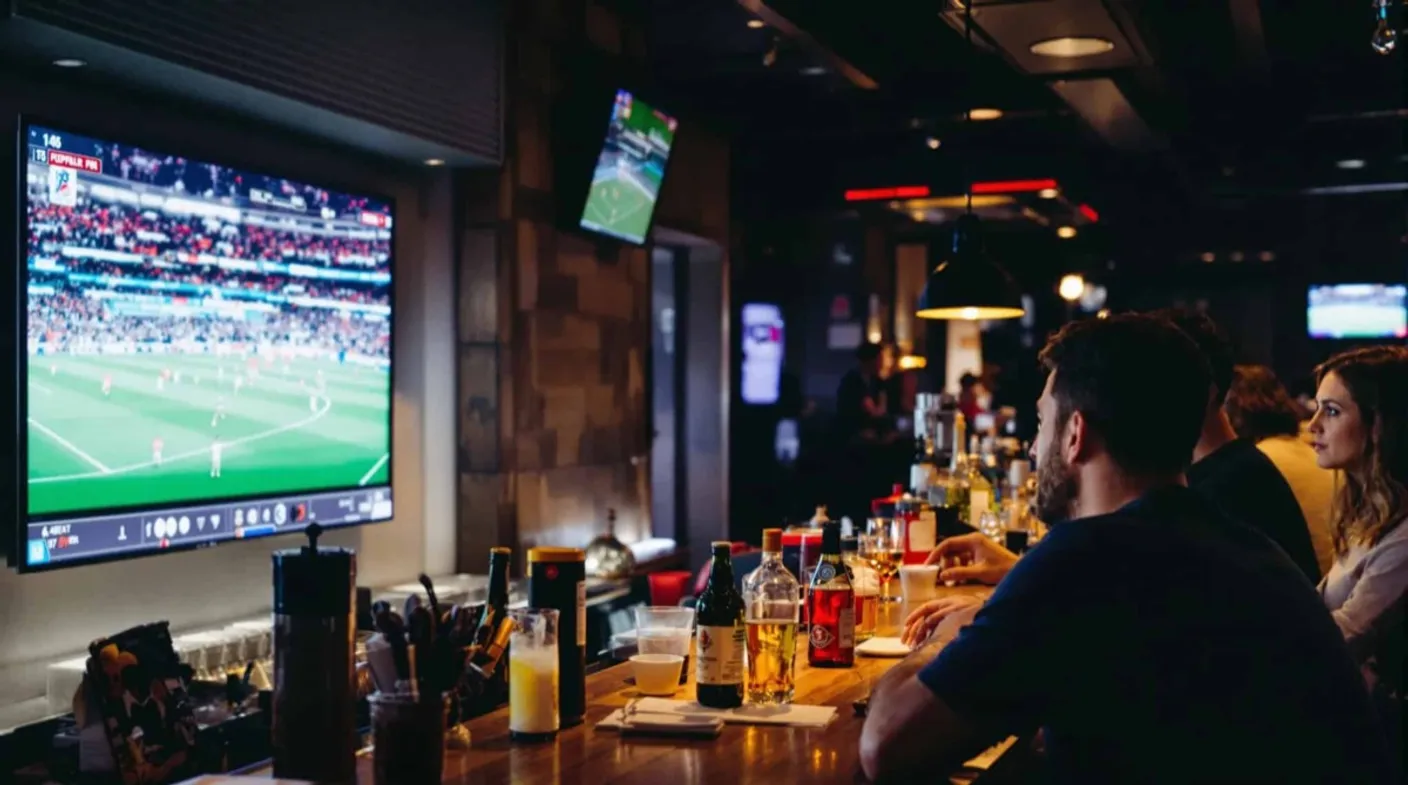
You might assume any pub can broadcast live football matches to punters, but the reality involves a complex web of licensing requirements that many pub owners navigate daily. From Premier League fixtures to Champions League nights, every single broadcast requires specific commercial licensing agreements that go far beyond your standard home television package.
Understanding these licensing requirements isn’t just crucial for pub landlords—it affects your matchday experience too. Whether you’re wondering why your local sometimes can’t show certain games or you’re considering opening your own establishment, the licensing landscape shapes how and where you can catch live football in British pubs.
Legal requirements: what licences do pubs need for football?
Pubs need multiple licences to legally show football: a premises licence with entertainment provisions, commercial TV licences, and commercial viewing rights from broadcasters. Running a pub without proper football licensing is like trying to serve pints without a bar licence—you’ll find yourself in hot water faster than you can say “match day”. The legal landscape surrounding football broadcasts involves multiple layers of compliance that work together like a well-oiled hospitality operation.
Premises licence requirements
Your premises licence forms the foundation of your football screening rights, but here’s where many pub owners slip up—not all licences automatically cover commercial sports broadcasting. You’ll need to ensure your licence specifically includes provisions for “entertainment” or “regulated entertainment”, which covers live sports screenings.
The Licensing Act 2003 requires that any venue showing live sports to the public holds appropriate entertainment permissions. This isn’t just bureaucratic box-ticking; it’s about ensuring your establishment meets safety standards for larger crowds.
Most standard pub licences include these provisions, but if you’re converting from another business type or updating an older licence, you might need to apply for a variation. The process typically takes 28 days and costs around £190, though fees vary by local authority.
TV licence obligations
Here’s something that catches many landlords off-guard: your standard TV licence doesn’t cut it for commercial premises. While your home licence covers personal viewing, pubs need a separate commercial TV licence that costs significantly more—currently around £159 per colour television per year.
The TV Licensing Authority takes this seriously. They regularly conduct inspections of commercial premises, and the penalties for non-compliance can reach £1,000 per unlicensed television. You’ll need to register each television set showing BBC content, whether that’s through Sky Sports, terrestrial channels, or even BBC iPlayer.
Commercial viewing rights
This is where the real complexity begins—and where most pubs’ football dreams either soar or come crashing down. Standard residential packages from Sky Sports, BT Sport, or Amazon Prime simply don’t cover commercial use. You need specific commercial subscriptions that cost considerably more but provide the legal right to show matches to paying customers.
Commercial sports packages operate on a sliding scale based on your venue’s rateable value—essentially, the bigger your pub, the more you’ll pay. A typical local pub might pay £800-1,200 monthly for comprehensive football coverage, while larger establishments can face bills exceeding £3,000 per month.
These packages often come with restrictions too. You might have Premier League rights but not Championship coverage, or European competitions might require separate agreements. Some providers also limit the number of simultaneous matches you can show.
Types of licences: complete breakdown for pub owners
Football broadcasting requires three main licence types: commercial sports subscriptions, pay-per-view event licences, and music entertainment licences. Navigating the licensing maze for football broadcasts requires securing several distinct permits that work together like pieces of a puzzle. Each licence serves a specific purpose, and failing to obtain any one of them could leave your establishment facing hefty fines or missing the biggest match of the season.
Sky Sports and BT Sport subscriptions
Your residential Sky Sports package won’t cut it when you’re running a commercial venue. Commercial subscriptions from Sky and BT Sport operate on entirely different pricing structures based on your venue’s rateable value.
A typical pub might pay anywhere from £500 to £2,000 monthly depending on size and location. The subscription covers Premier League matches, Championship games, and various European competitions. However, you’ll need separate arrangements for different sports or international tournaments.
These providers conduct regular compliance checks. They’ll visit unannounced to verify you’re not using residential packages commercially. Getting caught means immediate disconnection plus potential legal action.
PPV event licences
Pay-per-view events represent the premium end of sports broadcasting. Major boxing matches, special football tournaments, or exclusive championship games require individual event licences that can cost anywhere from £200 to several thousand pounds per screening.
The pricing structure considers your venue’s capacity, expected audience size, and the event’s commercial value. Championship playoff finals might cost £200-500 per screening, while FA Cup finals can range from £300-800 per event.
Music and entertainment licences
Showing football isn’t just about the match itself. The pre-match build-up, halftime shows, and celebration music all require separate licensing through PRS for Music and PPL (Phonographic Performance Limited).
Your premises licence might already include “recorded music” provisions, but commercial sports broadcasting often involves additional entertainment elements. Annual fees typically range from £200-800 depending on your venue size and music usage.
Cost analysis: how much do football licences cost pubs?
Football licensing costs range from £1,000-£4,000+ monthly for most pubs, including subscriptions, equipment, and additional fees. Understanding the true cost of showing football in your establishment goes beyond the obvious subscription fees. These expenses can quickly mount up if you’re not prepared for the full spectrum of licensing requirements.
Monthly subscription fees
Your commercial Sky Sports package will likely become your biggest recurring expense. Unlike residential packages that cost around £30-40 monthly, commercial subscriptions operate on an entirely different pricing structure based on your venue’s rateable value.
Expect to pay anywhere from £500 to £2,000 per month for comprehensive coverage. A typical gastropub might face monthly bills of £800-1,200, whilst larger establishments could see costs exceeding £1,500. You’ll often need multiple providers to capture all the matches your customers want to watch.
| Provider | Monthly Cost Range | Coverage |
|---|---|---|
| Sky Sports Commercial | £500-2,000 | Premier League, Championship, European competitions |
| BT Sport Commercial | £400-1,500 | Premier League, Champions League, Europa League |
| Amazon Prime Video | £95-300 | Selected Premier League fixtures |
Pay-Per-View event costs
Premium matches and major tournaments operate on pay-per-view models that can seriously impact your budget. Championship playoff finals might cost £200-500 per screening, while FA Cup finals can range from £300-800 per event.
International tournaments present their own challenges. World Cup matches during peak viewing times command premium rates, sometimes reaching £500-1,200 per match for knockout stages.
Additional equipment expenses
Beyond subscriptions and event fees, you’ll encounter various equipment and technical costs. Commercial-grade satellite dishes and receivers differ significantly from domestic installations, often requiring professional installation costing £300-800 initially.
Multiple screen setups demand additional receiver boxes, with each extra viewing area requiring separate equipment. Sky Q commercial boxes cost around £150-250 each, whilst BT Sport boxes run £100-200 per unit.
Compliance risks: penalties for unlicensed broadcasting
Penalties for unlicensed broadcasting start at £1,000 but can reach £20,000+ for repeat offences, with potential criminal prosecution and imprisonment. Breaking licensing rules isn’t just a slap on the wrist—it’s a proper minefield that can blow up your entire business operation. The penalties stack up faster than pint glasses during happy hour.
Penalties for unlicensed broadcasting
Getting caught showing football without proper licensing is like serving expired food—the consequences hit hard and fast. Fines start at £1,000 but can escalate to £20,000 or more for repeat offences.
The courts don’t mess about when it comes to intellectual property theft. You’re not just facing monetary penalties either. Criminal prosecution remains a genuine threat, with potential prison sentences up to two years for serious breaches. Your premises licence could also face suspension or revocation.
| Offence Type | First Penalty | Repeat Offence | Maximum Criminal Penalty |
|---|---|---|---|
| Unlicensed Broadcasting | £1,000-£5,000 | £10,000-£20,000 | 2 years imprisonment |
| Commercial TV Licence Breach | £1,000 | £2,500 | 6 months imprisonment |
| Music Licensing Violation | £500-£2,000 | £5,000+ | Civil action |
Enforcement actions by rights holders
Sky Sports and BT Sport aren’t just sitting back hoping pubs play by the rules—they’ve got enforcement teams that regularly conduct undercover visits to venues across the UK, armed with recording equipment and legal documentation.
Federation Against Copyright Theft (FACT) works alongside broadcasters to identify illegal streaming operations. Rights holders pursue civil damages alongside criminal proceedings, often calculating losses based on your venue’s capacity and typical match attendance.
Local authority responsibilities
Your local council serves as your licensing watchdog with serious teeth. Under the Licensing Act 2003, councils must ensure venues comply with entertainment licensing requirements for live sports broadcasting.
Licensing officers conduct regular inspections, often triggered by complaints from competitors or members of the public. They can suspend your licence immediately if you’re showing football without proper entertainment licensing.
Conclusion
The world of pub football licensing isn’t something you can ignore if you’re serious about showing live matches. Your investment in proper licensing protects both your business and your customers’ viewing experience.
Getting ahead of the licensing requirements means you won’t miss crucial matches or face unexpected penalties. The costs might seem steep, but they’re far less expensive than the fines and reputation damage that come with non-compliance.
Your local licensing officer and commercial providers are there to help you navigate these requirements. Building these relationships early will save you headaches when major tournaments arrive and demand peaks.
Remember that football licensing is an ongoing responsibility that evolves with broadcasting rights and regulations. Staying informed and compliant ensures your pub remains the go-to destination for football fans in your area.
Frequently asked questions
What penalties do pubs face for unlicensed football broadcasting?
Penalties start at £1,000 for first offences and can reach £20,000 for repeat violations. Pubs may face criminalprosecution, licence suspension, and equipment seizure. Rights holders like Sky Sports actively monitor venues for compliance, and local councils enforce licensing laws with regular inspections.
Do pubs need different licences for different types of matches?
Yes, pubs need various licences depending on the matches. Standard commercial subscriptions cover regular fixtures, but premium matches require separate pay-per-view licences. Major tournaments or exclusive events often have additional licensing requirements and higher costs, making advance planning essential for venue owners.
Is a standard TV licence sufficient for pubs showing football?
No, a standard TV licence only covers domestic use. Commercial premises require a separate commercial TV licence with higher fees and regular inspections by the TV Licensing Authority. This is in addition to sports broadcasting subscriptions and entertainment licences required for showing live matches.