The truth is, “open bar” doesn’t always mean what you think it means. While it generally indicates that drinks are provided without individual payment from guests, there’s a whole world of nuances, limitations, and variations that can make or break your event experience. From premium liquor restrictions to time-limited services, understanding these details can save you from awkward surprises and help you make better decisions as both a host and a guest.
Whether you’re planning your own event or simply want to navigate open bar situations with confidence, let’s jump into everything you need to know about what “open bar” actually means in today’s hospitality landscape.
Open bar does mean free drinks, but with conditions
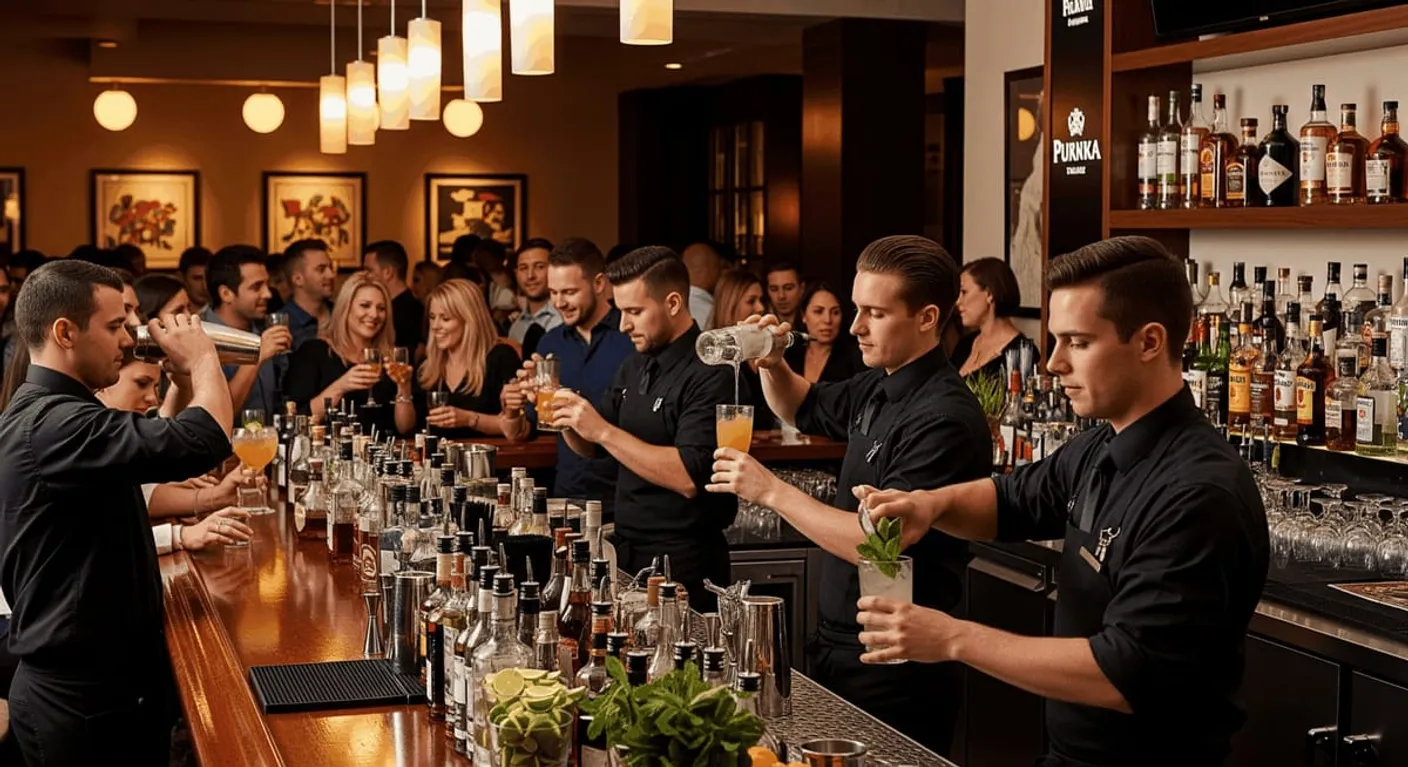
Let me set the record straight: an open bar means the event host has pre-paid for alcoholic beverages, so guests don’t reach for their wallets when ordering drinks. Think of it as an all-you-can-drink arrangement where someone else is footing the bill.
But here’s where it gets interesting, and where many people get tripped up. “Open bar” is more of an umbrella term that covers various arrangements, each with its own rules and restrictions. It’s like saying “buffet”—you know food is included, but you don’t know if it’s pizza and soda or lobster and champagne until you see the spread.
In the hospitality world, we typically see open bars structured in one of three ways: the host pays a flat rate per person (regardless of consumption), they pay based on actual consumption, or they set a spending limit and cover costs up to that amount. Each approach affects what drinks are available and for how long.
The key distinction? Guests don’t pay directly at the bar, but that doesn’t mean every drink imaginable is fair game. I’ve seen too many events where guests expected Grey Goose but got well liquor instead, not because the host was cheap, but because they chose a standard package that didn’t include premium spirits.
So yes, open bar does mean free drinks for guests, but the devil’s in the details of what “free” actually covers.
Open bar types: premium vs standard arrangements
Not all open bars are created equal, trust me on this one. After managing dozens of events, I’ve learned that the type of open bar arrangement can make or break a celebration. Let me walk you through the most common setups you’ll encounter.
Premium vs standard open bar
The difference between premium and standard open bar packages is like comparing a luxury sedan to an economy car—both will get you where you’re going, but the ride feels completely different.
Standard open bar packages typically include well liquors (the house brands), domestic beers, and basic wines. You’ll get your vodka and cranberry, but it’ll be made with the venue’s standard vodka, not the premium stuff. These packages usually run about $25-40 per person for a 4-hour event.
Premium packages, on the other hand, step up to call brands and top-shelf liquors. We’re talking Absolut instead of house vodka, craft beers instead of Bud Light, and wines that actually have vintage years on the labels. Expect to pay $45-75 per person, but your guests will definitely notice the difference.
I remember one corporate event where the company upgraded from standard to premium mid-planning. The feedback difference was night and day—guests were raving about the “amazing cocktails” when really, we just switched from rail gin to Tanqueray.
Time-limited open bar
Here’s where hosts get smart about budget control: time-limited open bars. Instead of covering drinks for the entire event, they might offer open bar service for 2-3 hours during peak celebration time.
The most popular approach I’ve seen? Open bar during cocktail hour and the first hour of reception, then switching to cash bar. It gives guests that initial “wow” experience without breaking the bank. Some hosts even do “wine and beer only” open bars to keep costs manageable while still offering complimentary drinks.
One clever bride I worked with did a “signature cocktail” open bar—guests could order her and her husband’s two favorite drinks for free, plus wine and beer, but premium cocktails were cash only. It was personal, budget-friendly, and kept the bar lines moving efficiently.
Open bar vs cash bar vs host bar explained
Let’s clear up the confusion between these three bar arrangements once and for all. Each serves different purposes and creates entirely different guest experiences.
Open Bar is what we’ve been discussing—guests don’t pay for drinks because the host has pre-arranged coverage. Whether it’s premium or standard, time-limited or all-night, the host is handling the bill.
Cash Bar means guests pay for their own drinks at regular menu prices. This is common at casual events, fundraisers, or when hosts want to provide a social atmosphere without covering alcohol costs. I’ll be honest, cash bars at weddings can feel a bit awkward, but they’re perfectly acceptable for most other events.
Host Bar is the middle ground that many people don’t know about. The host sets a predetermined amount (say, $2,000) and covers all drinks until that limit is reached. Once the money runs out, the bar either closes or switches to cash-only. It gives hosts budget control while ensuring guests enjoy complimentary drinks for a significant portion of the event.
I’ve seen host bars work beautifully at anniversary parties and corporate events. Guests get the open bar experience, hosts avoid surprise bills, and smart event planners can usually estimate pretty accurately how long the host bar will last based on guest count and drinking patterns.
The key difference in guest experience? Open bars feel unlimited (even when they’re not), cash bars require planning ahead with cash or cards, and host bars create a subtle sense of “get it while it lasts.” Each has its place depending on the event goals and budget realities.
Open bar restrictions: what you should expect
Let’s talk about the fine print, because yes, even “unlimited” open bars have limits. Understanding these restrictions upfront can save you from disappointment and awkward conversations with bartenders.
Brand Limitations are the most common restriction I encounter. Your invitation might say “open bar,” but that doesn’t mean every premium spirit is available. Standard packages typically include well drinks, house wines, and domestic beers. Want that specialty bourbon? You might be out of luck unless the host specifically upgraded to a premium package.
Time Restrictions are another reality check. Many open bars operate for specific hours, commonly during cocktail hour and the first few hours of an event. I’ve seen countless guests caught off guard when the “open” bar switches to cash-only at 10 PM. Always listen for announcements about service changes.
Quantity Limits exist at some events, though they’re less common. Some hosts use drink tickets or carry out informal limits to prevent overserving. I worked one corporate event where each guest received three drink tickets for premium cocktails, with beer and wine remaining unlimited. It struck the right balance between generosity and responsibility.
Specialty Drinks and Upgrades often come with additional charges. That bottle service or vintage champagne? Unless specifically mentioned in the package, expect to pay extra. Same goes for premium cocktails not included in the standard offering.
Here’s something most guests don’t realize: liability cutoffs are real. Even at open bar events, bartenders can and will stop serving guests who appear intoxicated. It’s not about being mean—it’s about legal responsibility and ensuring everyone’s safety.
One last restriction that catches people off guard: last call policies. Even if the event continues past midnight, many venues stop alcohol service at specific times due to local regulations or internal policies. In my experience, most venues give a 15-30 minute warning before last call, so pay attention to those announcements if you want one final drink.
Navigate open bars like a pro with these tips
As a guest, your best strategy is to arrive informed and stay flexible. Understand that standard open bars offer well drinks and house wines, while premium packages step up to call brands and craft options. Respect time limitations, tip appropriately, and don’t take advantage of your host’s generosity.
For those planning events, remember that open bar arrangements are about creating the right experience for your celebration and budget. Whether you choose a premium package for your wedding or a time-limited wine-and-beer setup for your company party, clear communication with guests about what’s included prevents confusion and ensures everyone enjoys themselves.
At the end of the day, open bar is about celebration and bringing people together over shared drinks and experiences. Understanding the logistics just helps you navigate the celebration more smoothly, whether you’re raising a toast or planning the party yourself.
Frequently Asked Questions
What’s the difference between premium and standard open bar packages?
Standard open bar includes well liquors, domestic beers, and basic wines, typically costing $25-40 per person. Premium packages feature call brands, craft beers, and higher-quality wines for $45-75 per person.
Can open bar service be time-limited?
Yes, many hosts offer time-limited open bars to control costs, such as during cocktail hour and first few reception hours, then switching to cash bar for the remainder of the event.
What’s the average cost of wedding open bar per guest?
Wedding open bar typically costs $15-30 per guest per hour. For a 150-guest wedding with 5-hour reception, expect total costs between $11,250-$22,500 depending on the package level.
What happens if you order expensive drinks at an open bar?
While technically allowed with premium packages, repeatedly ordering top-shelf liquor can be considered poor etiquette. Standard packages may not include expensive spirits, requiring separate payment for upgrades.