Getting your mobile bar legal isn’t just about slapping a liquor license on your vehicle and calling it a day. You’re navigating federal requirements, state alcohol boards (who all play by different rules, naturally), local permits that vary wildly by county, insurance stipulations that’ll make your head spin, and vehicle regulations that depend on whether you’re operating from a trailer, truck, or converted school bus.
Sound overwhelming? It doesn’t have to be. Once you understand what you actually need, versus what’s just bureaucratic noise, you’ll realize the licensing process is totally manageable. Think of it as your entry ticket to one of the most exciting niches in hospitality.
What is a mobile bar? A licensed bar on wheels explained
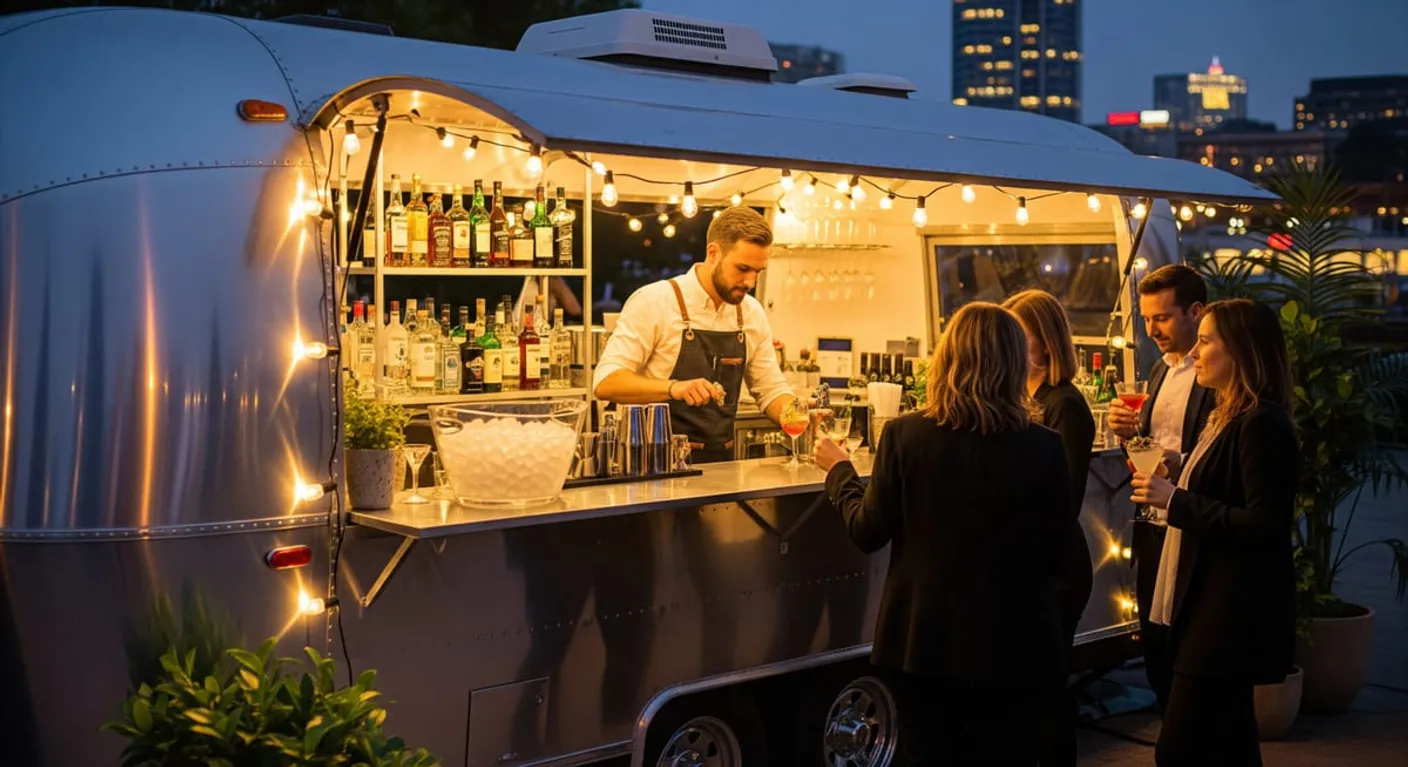
A mobile bar business is exactly what it sounds like: a licensed bar on wheels. Whether you’ve retrofitted a vintage Airstream, built out a sleek horse trailer, or transformed a classic vehicle into a bartending hub, you’re essentially operating a traveling beverage service.
Mobile bars typically serve private events, weddings, corporate gatherings, backyard parties, and festivals, anywhere hosts want professional drink service without the hassle of setting up their own bar. Some operators focus on high-end cocktail experiences with craft ingredients and theatrical presentation. Others keep it simple with beer, wine, and crowd-pleasing classics.
Federal requirements: EIN and TTB permits for mobile bars
Before you even think about pouring your first cocktail, Uncle Sam wants a word. Federal requirements apply to every mobile bar operator, regardless of where you’re working.
Get your EIN first
First things first: you need an EIN from the IRS. Think of it as your business’s social security number. Even if you’re operating as a sole proprietor initially, get an EIN. You’ll need it for basically everything, opening a business bank account, applying for licenses, filing taxes, and hiring employees.
The good news? It’s free and takes about 15 minutes online through the IRS website. No excuse not to knock this out immediately.
TTB permits explained
Here’s where things get interesting. The TTB regulates alcohol at the federal level, and whether you need their permits depends on your business model.
If you’re purchasing alcohol retail (from liquor stores or distributors) and serving it at events, you typically don’t need TTB permits. Your state and local licenses cover you. But if you’re manufacturing, importing, or wholesaling alcohol, say, making your own infusions or buying directly from producers in bulk, TTB permits come into play.
Most mobile bar operators fall into the first category, purchasing through standard retail or wholesale channels. But it’s worth understanding the distinction because the TTB doesn’t mess around. Operating without required federal permits can result in fines that’ll make your eyes water (we’re talking five figures), not to mention potential criminal charges.
When in doubt, consult with an attorney who specializes in alcohol beverage law. Yes, it’ll cost you a few hundred bucks upfront, but it’s insurance against catastrophically expensive mistakes down the road.
State licenses: types, applications, and fees by location
This is where the real fun begins (and by fun, I mean paperwork). Every state has its own alcohol control board or commission, and each one operates like an independent kingdom with unique rules.
License types available
State liquor licenses typically break down into categories based on what you’re serving:
Beer and wine licenses: These are generally easier and cheaper to obtain. If you’re keeping your menu simple, craft beers, wine selections, maybe some hard seltzers, this might be your entry point.
Full liquor licenses: Want to serve spirits and craft cocktails? You’ll need a full liquor license, which is pricier and involves more scrutiny. Some states call these “on-premises” licenses, while others have specific “special event” or “caterer” designations perfect for mobile operations.
Catering or special event licenses: Many states offer licenses specifically designed for mobile or temporary service. These often come with restrictions (you might only be able to serve at private events, not public venues), but they’re tailored for businesses like yours.
Some states, looking at you, Pennsylvania and Alabama, have notoriously complex systems with limited licenses available. Others, like California or Colorado, offer relatively straightforward mobile or caterer licenses that work beautifully for traveling bars.
Application steps & costs
Brace yourself: state license applications aren’t quick weekend projects. Most require:
- Completed application forms (often 10-20 pages)
- Background checks for all owners and managers
- Financial records proving you can operate responsibly
- Detailed business plans
- Proof of your commercial space (even mobile operators often need a physical business address)
- Publication of your intent in local newspapers (seriously)
Fees range wildly. Some states charge a few hundred dollars annually. Others, hello, California and New York, can run several thousand for initial applications, with annual renewals on top of that.
Processing times? Anywhere from 30 days to six months, depending on the state and how complete your application is. Factor this into your launch timeline. Starting a mobile bar in March for summer wedding season means you should be filing paperwork in the fall.
Local permits: business licenses and health requirements
State license in hand? Fantastic. You’re about halfway there. Now let’s talk about the county and city requirements that’ll vary at every single event location.
Business licenses needed
Your home municipality (wherever your business is based) will require a general business operating license. This isn’t alcohol-specific, it’s the basic permission slip to operate commercially within city limits.
Fees are usually modest, between $50-$300 annually, and the process is straightforward. But don’t skip it. Operating without a business license can void your insurance and alcohol permits, creating a domino effect of compliance headaches.
Here’s the tricky part: some cities require you to obtain temporary business licenses for events held within their jurisdiction, even if your primary license is elsewhere. A wedding in County A might need different paperwork than one in County B. Research each location’s requirements well before the event date.
Health & safety permits
You’re serving beverages to the public, which means health departments want their piece of the regulatory pie. Requirements vary dramatically, but common permits include:
Food handler’s permits: Even if you’re only serving drinks, many jurisdictions classify this as food service. You and your staff may need food handler’s certifications (usually a simple online course and test).
Mobile food/beverage permits: Health departments often inspect mobile bars just like food trucks. They’ll check your setup, how you store ice, whether you have proper handwashing stations, and how you prevent cross-contamination.
Fire safety permits: Using open flames for cocktail presentation or heating equipment? Fire marshal approval may be required, especially at venues with capacity restrictions.
Inspections typically happen at your commissary or storage location before you’re approved, then periodically at events. Keep everything spotlessly clean, maintain proper refrigeration, and document your sanitation procedures. Health inspectors are thorough, but they’re also reasonable if you demonstrate you take safety seriously.
Insurance you need: liability, liquor, auto, and workers’ comp
Let’s talk about what keeps you in business when things go sideways (because they will): insurance.
General liability insurance is non-negotiable. You’re working at different venues, serving alcohol, and operating equipment in dynamic environments. The risk profile is significant.
A solid general liability policy should cover:
- Bodily injury (slip-and-falls, accidents near your setup)
- Property damage (you back your trailer into the venue’s vintage fountain)
- Personal and advertising injury
- Products liability (the beverages you serve)
Liquor liability insurance is equally critical and separate from general liability. This covers alcohol-related incidents: over-serving, injuries from intoxicated behavior, and dramshop claims. Many venues require proof of liquor liability coverage before booking, often with $1-2 million minimum coverage.
Commercial auto insurance covers your tow vehicle and mobile bar during transport. Personal auto policies exclude commercial use, so don’t assume you’re covered.
Workers’ compensation becomes mandatory once you hire employees. Requirements vary by state, but don’t skip this—an injured employee without coverage can bankrupt your business.
Expect to invest $2,000-$5,000 annually for comprehensive coverage, depending on your revenue, location, and claims history. One lawsuit without proper insurance will cost exponentially more.
Vehicle regulations: registration, DOT, and parking rules
Your mobile bar isn’t just a business, it’s also a vehicle, and that means DMV regulations enter the chat.
First, determine your classification. Is your setup considered a trailer, a commercial vehicle, or something else entirely? This affects registration requirements, licensing for drivers, and even where you’re allowed to park.
Trailers exceeding certain weight limits require commercial registration in most states. You’ll need to weigh your fully loaded bar (with equipment, inventory, and supplies) to determine your gross vehicle weight rating (GVWR). Cross certain thresholds, often 10,000 pounds, and you’re in commercial territory.
Commercial registration brings additional requirements:
- DOT numbers in some states
- Commercial driver’s licenses (CDL) for operators, depending on vehicle size
- Annual safety inspections beyond standard vehicle checks
- Specific insurance minimums higher than personal vehicle requirements
Vehicle modifications must meet code. Custom electrical systems, propane connections for refrigeration, and structural changes to accommodate bars and equipment, all of these may require inspections and certifications proving they’re safely installed.
Some municipalities have parking ordinances specifically restricting commercial vehicles in residential areas. If you’re storing your mobile bar at home, verify you’re not violating local codes. (Your neighbors will definitely notice a 20-foot bar trailer in your driveway, and someone will complain.)
Getting licensed: your path to a profitable mobile bar
Launching a mobile bar business means navigating a complex web of federal, state, and local requirements, but thousands of operators are doing it successfully, and you can too. The licensing process isn’t designed to stop you: it’s designed to ensure responsible, professional operations in an industry with legitimate public safety concerns.
Remember that compliance isn’t a one-time checkbox. It’s an ongoing commitment. Licenses renew. Regulations change. New jurisdictions have different rules. Stay informed, maintain meticulous records, and when in doubt, ask questions before you pour.
The mobile bar business offers incredible opportunities for entrepreneurs willing to do the groundwork. Get your licensing foundation solid, and you’ll be free to focus on what really matters: creating memorable experiences, one perfectly crafted cocktail at a time.
Frequently Asked Questions
Can I operate a mobile bar from my home?
While you need a physical business address for licensing, parking ordinances may restrict commercial vehicles in residential areas. Check local codes before storing a mobile bar trailer at your home, as neighbors can report violations.
What’s the difference between a catering license and a full liquor license?
Catering or special event licenses are designed specifically for mobile operations and often restrict service to private events rather than public venues. They’re typically more affordable and easier to obtain than traditional on-premises full liquor licenses.
What are the common compliance challenges?
Multi-Jurisdiction Events, Dry Counties or Restricted Areas, License Portability, Record-Keeping Requirements, Employee Certification, Age Verification.
Are mobile bars profitable?
Mobile bar businesses can be very profitable, especially in areas with high demand for outdoor events, weddings, festivals, and private parties. Their flexibility allows owners to serve diverse locations and clients without the overhead costs of a fixed location.