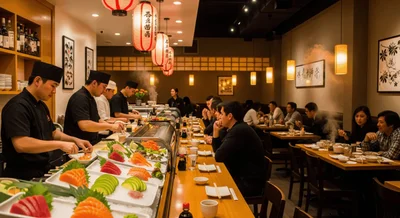
Running a restaurant is like conducting an orchestra where the musicians constantly move, the music never stops, and someone just spilled marinara on the sheet music. Your staff is the heartbeat of your operation, the face customers remember, and the reason you either sleep peacefully or wake up at 3 AM wondering why the evening shift imploded.
This guide covers the essentials of managing restaurant staff like a pro: hiring, training, scheduling, communication, and maintaining morale during hectic periods. Whether you’re opening your first spot or turning around a struggling team, these strategies will help you build a crew that works with you, not just for you.
Restaurant staff management drives profits and service quality
Restaurant staff management determines whether you run a smooth, profitable business or constantly put out fires. Good management creates clockwork service, returning customers, and kitchens that handle Friday night rushes without chaos.
Poor management creates a domino effect: high turnover means perpetual training, low morale, mounting mistakes, and you jumping on the line because nobody showed up. Replacing a single restaurant employee costs $3,000-$5,000 when factoring recruiting, training, and lost productivity.
Great staff management drives success. A cohesive, well-trained team delivers better customer experiences, works efficiently, and creates workplace culture that attracts talent. It’s the difference between a well-oiled machine and a restaurant perpetually on the brink.
Develop strong leadership and management skills
You can’t expect peak performance from your staff without bringing your A-game as a leader. Strong leadership sets the tone for handling pressure, treating teammates, and going the extra mile.
Lead by example. If you want servers to stay calm during rushes, don’t lose your cool over missing appetizers. Show up on time, meet your own standards, and roll up your sleeves when needed. Nothing builds respect faster than managers who bus tables during slammed Saturday nights.
Communicate effectively. Give specific feedback that motivates rather than demoralizes. Skip vague criticisms like “do better” and get specific: “I noticed you didn’t greet table 12 within two minutes—let’s tighten that up.”. Listen—your staff often spots problems first.
Be consistent. Nothing erodes trust faster than managers who enforce rules selectively or play favorites. Your team needs predictable expectations every shift.
Hire the right people from the start
You can’t manage your way out of bad hiring decisions. Bringing the right people on from day one saves headaches, money, and the soul-crushing experience of new hires ghosting after three shifts.
Define what “right” means for each role. In restaurants, attitude often trumps experience—you can teach someone to carry trays, but not to care. Look for reliability, adaptability, and grace under pressure.
During interviews, dig deeper than standard questions. Ask how they’d handle difficult customers or being in the weeds. Their answers reveal problem-solving skills and teamwork abilities. Don’t skip trial shifts—they show actual performance, not just interview skills.
Check references. Quick calls to previous employers reveal red flags or confirm you’ve found a gem.
Set clear expectations and boundaries
Ambiguity kills good management. If staff don’t know exact expectations—from dress code to side work to complaint handling—you’re setting everyone up for frustration.
Create detailed employee handbooks covering attendance policies, uniform requirements, break procedures, and disciplinary processes. Every new hire should read and sign off. Reinforce expectations during onboarding and pre-shift meetings—people forget, policies evolve.
Boundaries matter equally. Be clear about non-negotiables: punctuality, showing up for shifts, respecting teammates, following food safety protocols. Address boundary violations immediately and consistently. Let things slide for one person, and others will resent favoritism or assume rules don’t matter.
Clear expectations aren’t about control—they create frameworks where everyone knows how to succeed.
Invest in comprehensive training and development
Throwing new hires into busy shifts with “just shadow Sarah” isn’t training—it’s disaster prep. Comprehensive training builds confidence, reduces mistakes, and shows investment in success.
Start with structured onboarding: menu knowledge (ingredients, prep methods, allergens), POS systems, customer service standards, safety protocols, and station workflows. Break into digestible chunks over several shifts, pairing newcomers with experienced team members who want to train.
Training shouldn’t stop after week one. Ongoing development through regular tastings, mini-workshops on upselling or conflict resolution, and cross-training keeps teams sharp and engaged.
The payoff: supported employees who see growth opportunities stick around.
Create effective staff schedules
Scheduling is part Tetris, part psychology, part miracle-working. Get it right for happy teams, controlled labor costs, and smooth service. Get it wrong for overstaffing (bleeding money) or understaffing (bleeding sanity).
Analyze traffic patterns using historical sales data to identify busy days, times, and demand peaks. Schedule strongestservers and most experienced cooks accordingly, factoring in special events, holidays, and local happenings affecting foot traffic.
Balance fairness with business needs. Rotate desirable shifts so everyone gets weekend opportunities, but ensure strongestplayers work peak times. Be transparent about scheduling decisions to reduce resentment.
Give advance notice—aim for at least a week. Use scheduling software to streamline processes and allow shift swaps. Build in buffer by scheduling extra staff during busy periods or maintaining reliable on-call lists.
Foster open communication and feedback
Communication is the glue holding teams together or the wedge driving them apart. In fast-paced restaurants, clear communication means the difference between seamless shifts and chaos.
Hold regular five-minute pre-shift meetings reviewing specials, VIP reservations, and previous shift issues. Encourage questions and two-way dialogue—staff often have valuable insights you miss.
Create feedback channels that work for everyone: in-the-moment conversations, suggestion boxes, or one-on-ones. Make clear you want to hear what’s working, what isn’t, and what they need to succeed. When someone brings problems, listen without defensiveness.
Address performance issues directly and privately. Be specific about problems, explain impact, and work together on solutions. Share wins too—rising sales, glowing reviews, or pride in handling tough situations. Positive reinforcement goes far.
Build team unity and a positive culture
Restaurant culture shapes how staff interact, perform, and feel about work. Positive, unified teams directly impact service quality and retention.
Foster camaraderie through staff meals, post-shift drinks, or simple connection opportunities beyond work. When teams genuinely like each other, they support one another during rushes and avoid festering drama.
Promote respect and collaboration. Make clear everyone’s role matters—dishwasher to head chef—and disrespecting teammates won’t be tolerated. Address toxic behavior immediately; bullying, cliques, or gossip poison entire teams.
Celebrate together: birthdays, work anniversaries, milestones. Host occasional team outings or fun competitions. These moments build shared memories and belonging.
Lead with positivity. Your energy sets the tone. Show up with enthusiasm, find things to laugh about, and remind staff why their work matters.
Recognize and reward your staff
People want to feel valued. Recognition and rewards boost morale, reinforce desired behaviors, and show hard work matters.
Start with verbal recognition. Genuine “you crushed it tonight” or “great job handling that difficult customer” costs nothing but means everything. Be specific—generic praise feels hollow.
Offer tangible rewards: employee of the month programs, performance bonuses, or perks like free meals, gift cards, or first shift picks. Tie rewards to specific achievements so everyone knows how to earn them.
Growth opportunities work as powerful rewards. Let motivated servers train new hires or line cooks develop specials. This shows you see potential and trust them with responsibility—often more motivating than cash.
Stay consistent. Spread recognition across different contributions: teamwork, improvement, reliability. Everyone should feel they can be appreciated.
Improve staff retention and reduce turnover
Turnover silently kills restaurant profits, draining resources and disrupting service. While some churn is inevitable, reducing it should be a top priority.
Diagnose why people leave through exit interviews. Better pay? Growth opportunities? Work-life balance? Toxic environment? You can’t fix what you don’t understand.
Take action once you’ve identified issues. Benchmark pay against competitors, improve scheduling practices, or address cultural problems head-on. Often retention comes down to better communication, recognition, or simply showing you care.
Create clear advancement pathways. If staff see futures beyond current roles—server to shift lead, prep cook to sous chef—they’re more likely to stay. Even without promotions, showing growth is possible keeps ambition alive.
Invest in existing staff. Nurturing your current team is more cost-effective than recruiting. Long-term servers and cooks are your most valuable assets.
Leverage technology to simplify management
Technology won’t replace good management but can streamline scheduling, communication, training, and operations—freeing you to focus on leading instead of admin tasks.
Scheduling software like 7shifts or Deputy builds schedules quickly, handles shift swaps, tracks labor costs, and communicates changes instantly. No more 2 AM group texts or shift disputes.
POS systems track performance metrics, flag training opportunities, and provide sales insights for informed scheduling, menu adjustments, and staff development decisions.
Communication tools like Slack keep everyone updated without clogging texts. Share schedules, send reminders, and create topic-specific channels.
Training technology—video tutorials, digital checklists, onboarding apps—ensures consistency and lets new hires revisit materials as needed.
Choose tools fitting your actual workflow. Start with your biggest time-wasters or headaches, then find solutions addressing those specific issues.
Master restaurant staff management for long-term success
Yes, the restaurant industry is tough. The hours are brutal, the margins are thin, and some days you’ll wonder why you didn’t just open a nice, quiet bookstore instead. But when your team is firing on all cylinders, when service flows, customers rave, and your staff has each other’s backs, there’s no better feeling. That’s the payoff for investing in great staff management.
So take a hard look at how you’re managing your team right now. What’s working? What needs work? Pick one area from this guide and commit to improving it this week. Maybe it’s tightening up your onboarding process, or finally implementing that scheduling software you’ve been eyeing, or just taking five minutes before each shift to actually talk to your team. Small changes compound. Your future self (and your staff) will thank you.
Frequently Asked Questions
How to be a good manager in a restaurant?
**1\. Lead by Example 2. Prioritize Effective Communication 3. Invest in Training and Development 4. Recognize and Reward Achievements**.
What is the 5 foot rule in restaurants?
The ’10 and five’ rule in hospitality says that staff coming within 10 feet of a guest should smile and make eye contact, while those coming within five feet should add a warm verbal greeting.
What not to do as a restaurant manager?
Key things you should never do as a restaurant manager: **1\. Ignore Clear Communication 2. Micromanage or Over-Control 3. Overlook Employee Well-Being 4. Play Favorites Among Staff 5. Avoid Conflict Resolution 6. Resist Training and Development**
What are the three C’s in a restaurant?
When it comes to managing restaurant staff effectively, the “Three C’s” can serve as a guiding principle: *Communication, Collaboration, and Consistency.* These core elements are vital for fostering a harmonious work environment, ensuring operational efficiency, and delivering exceptional customer experiences.