A well-structured restaurant organizational chart is your roadmap to operational success. Clear responsibilities and reporting relationships eliminate confusion, reduce mistakes, and create accountability. Whether opening your first location or restructuring an existing operation, proper organizational structure transforms chaos into profitable efficiency.
Discover how to build an organizational chart that works for your restaurant’s unique needs. From front-of-house hierarchies to kitchen command structures, we’ll explore proven frameworks successful restaurateurs use to maintain quality, maximize productivity, and keep teams motivated during busy rushes.
Restaurant organizational chart definition and benefits
A restaurant organizational chart is your operation’s blueprint—a visual roadmap mapping who reports to whom, responsibilities, and information flow. This chart serves as your restaurant’s organizational DNA, clearly defining positions, establishing relationships, and creating accountability pathways.
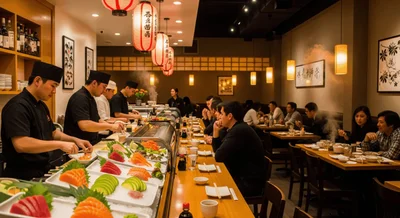
Your chart captures the unique structure from front-of-house teams greeting guests to back-of-house crews crafting dishes, showing how all roles connect within the overall flow.
Well-designed organizational charts eliminate “who’s in charge?” moments during busy rushes. When everyone understands their role and chain of command, decisions happen faster, problems resolve quicker, and teams operate confidently.

Essential restaurant organizational chart components overview
Your restaurant’s organizational chart transforms chaos into harmony during peak periods. Understanding each component ensures every team member knows their role.
Front of house team positions
Your front-of-house team represents your restaurant’s first impression. General or assistant managers oversee dining room operations.
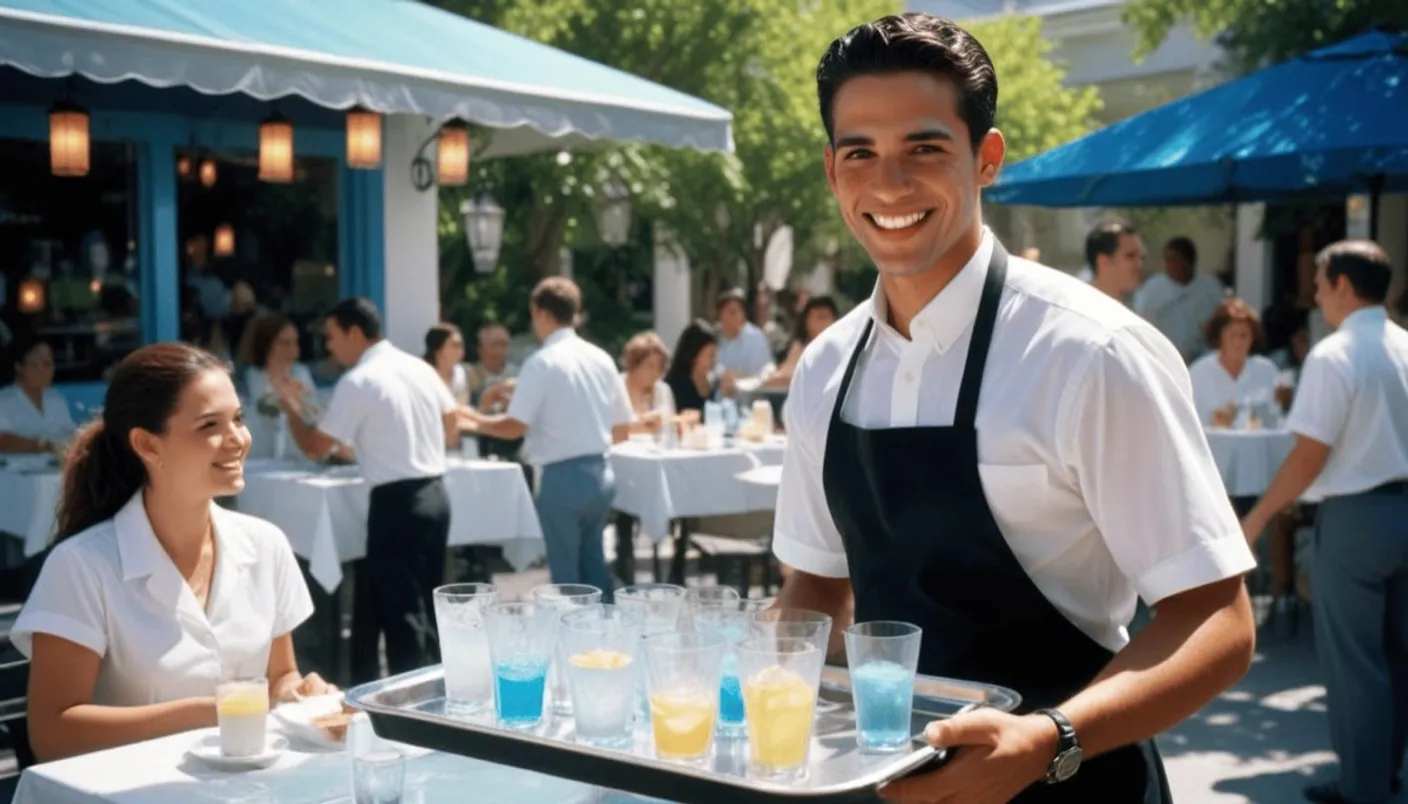
Host staff greet guests and manage flow, while servers handle orders and deliver memorable service that builds loyalty. Bussers and food runners keep tables turning efficiently and ensure hot food reaches customers quickly. Many restaurants include sommeliers or beverage specialists when wine drives significant revenue.
Clear role mapping creates seamless service—servers know bussers support them, hosts understand kitchen capacity, and coordination feels effortless to guests.
Back of house positions
Kitchens require precise command structure. Executive chefs lead menu creation, food quality, and kitchen management. Sous chefs manage shifts or sections, while line cooks handle daily operations at grill, sauté, prep, and garde manger stations.
Prep cooks arrive early to dice vegetables, portion proteins, and set mise en place—without solid prep, talented line cooks struggle during rushes. Dishwashers are crucial; running out of clean plates stops operations cold.
Larger establishments include pastry chefs, butchers, or receiving clerks. Success depends on clear reporting relationships for instant decision-making during busy periods.
Management hierarchy
General managers handle operations, P&L performance, and strategic decisions. Assistant managers typically focus on specific areas—front-of-house or kitchen coordination and inventory.
Shift supervisors bridge management and hourly staff, authorizing comps, handling complaints, and coordinating departments without escalating minor issues.
Charts must clearly define decision-making authority and responsibility scope for smoother operations and faster decisions.
Support staff roles
Support staff keep restaurants running efficiently. Maintenance teams ensure equipment operates properly, while administrative roles include bookkeepers, payroll coordinators, and scheduling managers.
Marketing coordinators handle social media and promotions. Security staff protect assets, cleaning crews maintain sanitation standards, and trainers ensure consistent service standards.
Position these roles appropriately—some report to general managers, others to department heads. Recognize support staff as integral components contributing to customer satisfaction and profitability.
Effective restaurant organizational chart characteristics
Effective restaurant organizational charts transform chaos into synchronized service. The best charts share specific features making them invaluable operational tools.
Clear chain of command
Your chain of command should establish crystal-clear reporting relationships, eliminating “who’s my boss?” confusion. When servers face difficult situations or equipment failures occur during rushes, charts provide immediate clarity.
Design command structures with multiple decision points rather than bottlenecking through one person. Shift supervisors handle immediate issues, assistant managers tackle scheduling conflicts, and general managers focus on strategic decisions.
Clear chains of command prove essential during busy periods when quick authority for task reassignment and instant decisions are crucial.
Defined responsibilities
Organizational charts must spell out position ownership and success metrics clearly beyond basic titles. Hosts manage reservations, maintain accurate wait times, and coordinate with servers for optimal table turnover. Prep cooks ensure ingredient quality, maintain food safety, and prep quantities based on projections.
Responsibilities should connect seamlessly across departments—food runner duties complement server workflows while busser tasks align with host seating strategies.
Build flexibility into defined roles. Charts might show servers assisting with food running during peaks or experienced line cooks stepping into sous chef duties when needed.
Communication pathways
Charts must map information flow clearly, showing both reporting relationships and operational communication. Kitchen updates about menu availability need immediate server notification, while customer feedback flows from front-of-house to management.
Address emergency protocols with clear contact orders for situations like POS system crashes or food safety issues. Include digital tool integration—kitchen displays, messaging apps, or scheduling platforms—for seamless information flow.
Scalability options
Charts must anticipate growth, providing expansion pathways without complete restructuring. Identify positions that can absorb additional responsibilities and roles requiring splitting during expansion.
Consider seasonal scalability for busy periods or special events, showing how temporary positions integrate with permanent staff. Plan for multi-location growth by establishing which management roles oversee multiple locations versus positions needing dedicated site staff.
Different Types of Restaurant Organizational Structures
Your restaurant’s organizational structure must match your operation’s unique rhythm and culture.
Traditional hierarchical structure
The classic restaurant pyramid places general managers at the top with clear layers through assistant managers, department heads, and front-line staff. This military-style chain of command ensures everyone knows their reporting structure.
This structure works best in larger restaurants where consistency matters more than speed. Each level has specific decision-making authority, preventing chaos during busy periods.
New employees immediately understand their positions, but rigidity can slow quick decisions as information travels up and down chains.
Key Benefits:
- Clear accountability chains
- Consistent policy enforcement
- Easy training pathways
- Reduced shift confusion
Flat organizational structure
Flat structures eliminate middle management layers, creating direct lines between owners and team members. Decision-making power sits where action happens—on restaurant floors.
Staff report directly to department heads or general managers, empowering teams to make customer service decisions without seeking multiple approvals.
This works well in smaller establishments with natural communication flow. However, fewer buffer layers mean every staffing issue reaches ownership, making growth beyond 30-40 employees difficult.
Ideal for:
- Independent restaurants with 15-30 employees
- Fast-casual concepts
- Establishments prioritizing employee empowerment
Matrix structure system
Matrix structures allow team members to report to different managers depending on projects or situations. Head servers might report to front-of-house managers for daily operations but work directly with marketing coordinators for special events.
This works well for restaurants with diverse revenue streams—cafés by day, cocktail lounges by night, catering on weekends. Team members wear different hats throughout the week.
The main challenge involves potential priority confusion when team members receive conflicting instructions from multiple managers.
Functional structure
Functional structures organize teams around specific skill sets—kitchen staff report through culinary leadership while front-of-house teams follow separate service management tracks.
This creates deep departmental expertise, particularly valuable for fine dining establishments where technical skills matter enormously.
Potential pitfalls involve departmental silos where different teams optimize for conflicting goals, requiring intentional coordination efforts.
Best suited for:
- Fine dining restaurants
- Large establishments with specialized roles
- Concepts requiring technical expertise
- Multi-unit operations with standardized departments
Restaurant organizational chart implementation success
Your restaurant’s organizational chart is the foundation transforming chaos into seamless service. Clear structures with defined roles and reporting relationships invest in team success and customer satisfaction.
The right organizational framework empowers staff to make confident decisions while maintaining accountability across departments. You’ll notice improved communication, faster problem-solving, and reduced confusion during peak hours.
Evaluate your current structure and create charts reflecting your restaurant’s unique needs. Investment in organizational clarity pays dividends through improved efficiency, higher staff morale, and ultimately better dining experiences for every guest.
Frequently Asked Questions
Why do restaurants need organizational charts?
Restaurant organizational charts eliminate confusion and reduce mistakes by clearly defining roles and responsibilities. They serve as operational blueprints that help synchronize service during busy periods, enable faster decision-making, and foster accountability among team members. This structure ultimately enhances quality control, productivity, and team motivation during peak service times.
How does an organizational chart improve restaurant operations?
An organizational chart streamlines operations by establishing clear communication pathways and reporting relationships. It accelerates decision-making during busy periods, improves resource allocation, and eliminates the “not my job”mentality. The structure acts like the restaurant’s nervous system, ensuring smooth information flow and quick problem resolution.
How does an organizational chart help with staff training?
Organizational charts enable targeted, role-specific training programs by clearly defining job responsibilities and reporting relationships. New hires can visualize their career progression paths, and mentorship opportunities arise naturally from established hierarchies. This structure ensures training prepares staff for real-world responsibilities and promotes professional development within the restaurant.
What is the organizational structure of a restaurant?
Restaurants are organized into three levels: 1) **Upper Management**: Owners or general managers handle operations, budgets, strategies, and profitability. 2) **Middle Management**: Roles like kitchen manager or front-of-house manager ensure smooth daily operations in specific areas. 3) **Frontline Staff**: Employees like servers, cooks, and bartenders manage tasks directly impacting customers.
What is the chain of command in a restaurant?
At the top are the owner or general manager, responsible for the restaurant’s vision and performance. Next are departmental managers, like the head chef, sous chef, FOH managers, and bar managers, who lead their teams and align goals with the restaurant’s standards. Team members, such as cooks, servers, bartenders, and support staff, handle daily tasks and report to their supervisors.