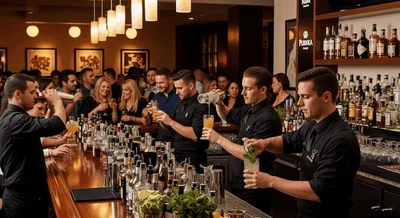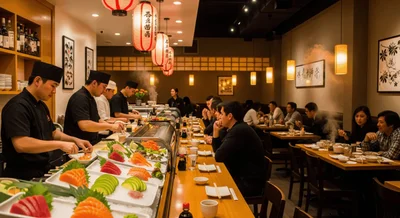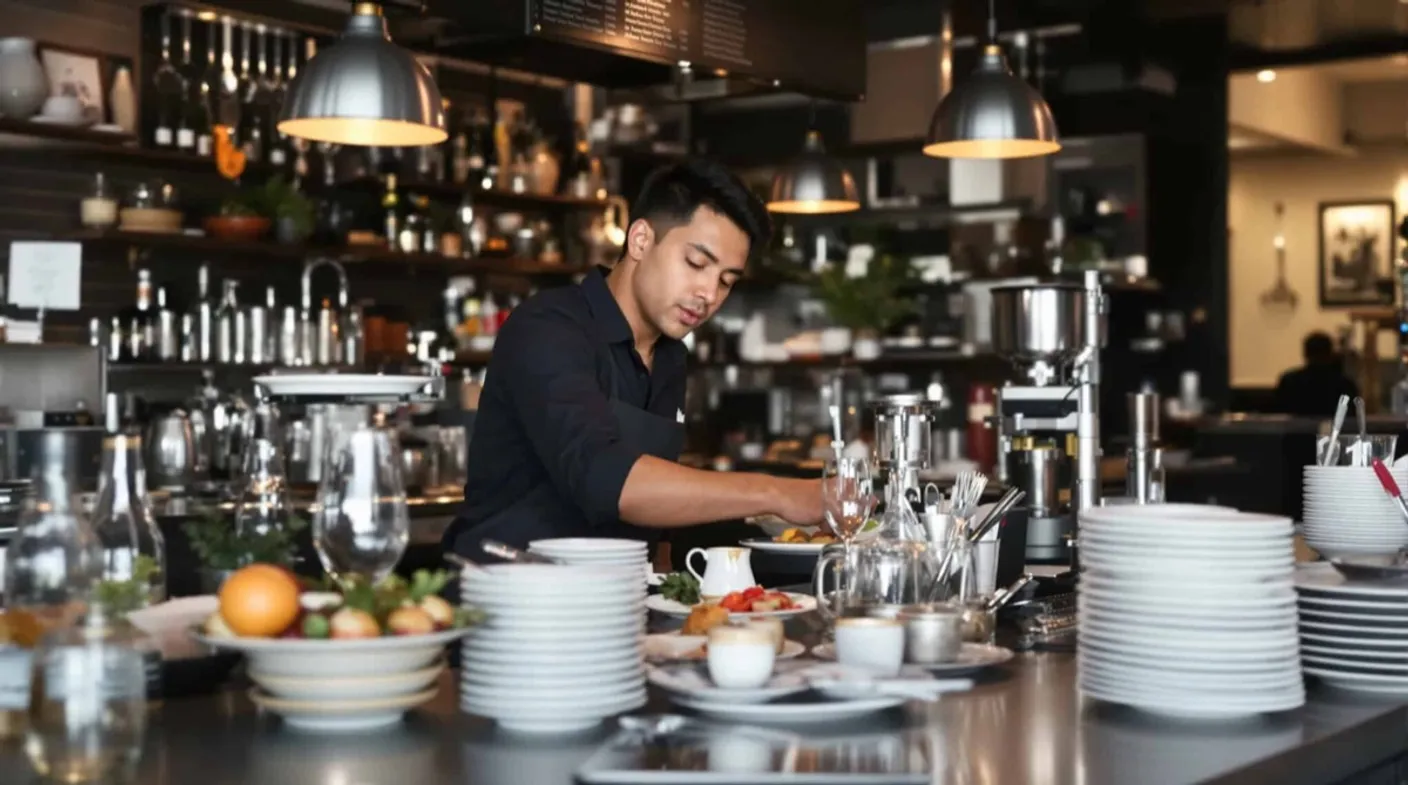
Think of a trial shift as your backstage pass to the real restaurant world. Unlike a traditional interview where you’re sitting across from a manager discussing your experience, you’ll be thrown directly into the action alongside seasoned staff members who’ve perfected their dance around hot plates and tight deadlines. You’ll chop vegetables, plate dishes, or serve customers while management watches how you adapt under pressure.
Understanding what to expect during your trial shift can transform this intimidating experience into your biggest career opportunity. From knowing the right questions to ask to mastering the unspoken rules that separate rookies from pros, preparation is your secret weapon for success.
What is a trial shift: working interview in restaurant operations
A trial shift is essentially a working interview that throws your potential hires directly into the thick of restaurant operations. Instead of sitting across from you in an office discussing hypothetical scenarios, candidates roll up their sleeves and work alongside your existing team for several hours—sometimes an entire shift.
Think of it as a test drive for both parties. You get to see how candidates handle the heat (literally and figuratively) of your kitchen or dining room, while they experience firsthand what working at your establishment actually entails. No amount of resume polishing can mask someone’s true work ethic when they’re juggling orders during the dinner rush.
During these shifts, candidates typically perform entry-level tasks under close supervision. A potential line cook might prep vegetables, assist with plating, or shadow an experienced chef. Front-of-house candidates could bus tables, run food, or observe your service style. The key difference? Everyone knows this is an evaluation.
| Trial Shift Elements | Duration | Typical Tasks |
|---|---|---|
| Kitchen positions | 4-6 hours | Food prep, basic cooking, cleaning |
| Server roles | 3-4 hours | Table service, order taking, customer interaction |
| Bartender positions | 4-5 hours | Drink preparation, inventory, customer service |
The arrangement typically involves paying candidates for their time—after all, they’re contributing real labor to your operation. This investment in the hiring process often pays dividends by reducing turnover and ensuring better cultural fits from day one.
How trial shifts work: duration, tasks, and compensation guide
A trial shift transforms your hiring process from guesswork into real-world assessment. You’ll watch candidates navigate actual service scenarios while your team evaluates their fit—no more wondering if they can handle Friday night rushes.
Duration and timing
Most trial shifts run 3-6 hours depending on your operation’s needs and position level. Entry-level roles like prep cooks or servers typically need 3-4 hours during slower periods, while management positions require 4-6 hours spanning peak service times to assess pressure handling.
Morning prep shifts work well for kitchen roles, while evening service trials suit front-of-house positions better.
Timing matters more than you might think. Schedule trials during moderate busy periods to strike the perfect balance—candidates experience realistic pressure without complete chaos. Avoid Mondays (too slow) and Saturday nights (too intense).
Tasks and responsibilities
Trial candidates should tackle real responsibilities mirroring their potential daily duties. Kitchen trials include basic prep work, dishwashing, or plating under supervision. Server candidates shadow experienced staff before taking a few tables independently. Bartender trials focus on basic drink preparation, speed, and customer service during slower periods.
The key is graduated responsibility. Start with simple tasks, then increase complexity as candidates demonstrate competence. This protects service quality while giving candidates meaningful work to showcase abilities.
Create specific trial shift checklists for each position to ensure consistent evaluations and identify candidates who excel in particular areas.
Compensation expectations
Always compensate trial shift workers—it’s good practice and often legally required. Most restaurants pay minimum wage regardless of potential starting salary, typically $25-75 per trial depending on duration and local rates.
Think of trial shift compensation as cheap insurance. Payment demonstrates professionalism, attracts serious applicants, and reduces legal risks. Some restaurants offer slightly above minimum wage or provide meals during longer trials.
The investment pays dividends through reduced turnover. Paid trial candidates tend to stay longer because they’ve experienced your workplace culture firsthand, saving thousands in recruiting and training costs.
Performance evaluation criteria: skills, teamwork, and efficiency
When evaluating candidates during their trial shift, you need clear benchmarks that go beyond gut feelings. The real magic happens when you observe how they handle the intricate dance of restaurant service—because let’s face it, anyone can look good on paper.
Technical skills assessment
Your trial shift becomes a live laboratory where knife skills meet reality. Watch how candidates handle basic prep work—are their cuts consistent, or does their julienne look more like abstract art? For servers, observe their tray-carrying technique and order memorization abilities. You’ll quickly spot who’s been fibbing about their “extensive experience.”
Pay attention to food safety practices without explicitly testing them. Do they wash hands between tasks? Change gloves when switching from raw to cooked ingredients? These habits reveal ingrained knowledge versus surface-level awareness. Kitchen candidates should demonstrate familiarity with equipment—from mandoline slicers to industrial mixers.
| Position | Key Technical Skills | Observable Behaviors |
|---|---|---|
| Line Cook | Knife skills, equipment operation | Speed of prep, consistency of cuts |
| Server | Tray carrying, POS navigation | Balance, order accuracy |
| Prep Cook | Food safety, portion control | Hand washing, measuring precision |
Don’t expect perfection—look for teachable moments and how they respond to corrections. The candidate who asks “What’s the proper way to do this?” often outshines those who pretend they already know everything.
Teamwork and communication
Restaurant service flows like a well-choreographed ballet—except when someone’s dancing to their own beat. During trial shifts, observe how candidates integrate with your team. Do they naturally call out orders and acknowledge requests?
Strong candidates use precise language: “Behind you, hot!” instead of mumbled warnings. They ask clarifying questions rather than guessing and compromising service quality. Watch how they handle instructions from multiple team members during busy periods.
The dinner rush reveals true character. Some candidates freeze while others thrive in controlled chaos. Notice who helps struggling teammates versus those focused solely on assigned tasks. Body language matters too—eye contact and positioning show respect for team dynamics, while phone-checking during slow periods raises red flags.
Speed and efficiency
Speed without accuracy becomes expensive. Your trial shift reveals how candidates balance these demands. Time their standard tasks, but remember consistency often trumps raw speed.
Efficient candidates develop systems naturally—grouping similar tasks, organizing workspaces logically, and minimizing movements. These instincts translate to reduced costs and improved service times.
| Task Type | Beginner Speed | Experienced Speed | Quality Markers |
|---|---|---|---|
| Salad prep | 8-10 minutes | 4-6 minutes | Consistent portions, fresh appearance |
| Table service | 3-4 tables | 5-6 tables | No forgotten orders, timing coordination |
| Dish prep | 12-15 items/hour | 20-25 items/hour | Proper cooking temps, presentation standards |
Don’t mistake frantic activity for efficiency. The best candidates work with purposeful movements and rarely backtrack. They understand that sustainable pace prevents burnout and costly mistakes.
Customer service abilities
Front-of-house candidates face the ultimate test with real customers. Observe their rapport-building skills—do conversations flow naturally, or feel scripted? Authentic warmth can’t be faked during a busy rush.
Watch how they handle difficult situations—complaints about wait times or special dietary requests. Strong candidates remain calm, acknowledge concerns genuinely, and provide solutions rather than passing problems to management.
Notice who anticipates needs (refilling water unprompted) versus those who only respond to requests. The proactive approach creates memorable experiences that generate repeat business and higher tips.
Pay attention to multitasking during peak periods. Can they maintain conversation while tracking multiple table needs? Candidates who remember table four’s medium-rare steaks while greeting new arrivals demonstrate the mental agility that keeps restaurants running smoothly.
Trial shifts create better restaurant hiring decisions
Trial shifts represent a game-changing approach to restaurant hiring that benefits both you as a candidate and the establishment. They offer an authentic glimpse into the demanding yet rewarding world of restaurant work, while allowing you to showcase skills that traditional interviews simply can’t capture.
The investment in this hiring method pays dividends through reduced turnover and stronger team cohesion. When you participate in a trial shift, you’re not just proving your abilities—you’re also evaluating whether the restaurant culture aligns with your career goals.
This hands-on evaluation process creates more informed hiring decisions and helps build teams that can thrive under pressure. Whether you’re seeking your first restaurant position or advancing your culinary career, trial shifts provide the real-world testing ground where talent truly shines.
Frequently asked questions
What is a trial shift at a restaurant called?
A trial shift is often called a “stage” (from the French word stagiaire, meaning trainee).
Do you get paid for a restaurant trial shift?
Yes, most restaurants compensate trial shift workers, typically ranging from $25-75 depending on duration and local wage rates. Payment is often legally required and demonstrates professionalism. Compensation helps attract serious applicants and reduces turnover by showing candidates the workplace culture firsthand.
How should I prepare for a restaurant trial shift?
Research the restaurant’s menu and culture, arrive 15 minutes early wearing clean professional attire, bring questions about daily operations, and mentally prepare for a fast-paced environment. Understand that this is both an evaluation and learning opportunity to showcase your skills and work ethic.
What are the benefits of trial shifts for restaurants?
Trial shifts help restaurants make better hiring decisions by revealing candidates’ real-world performance beyond traditional interviews. They reduce turnover by ensuring better cultural fits, allow assessment of soft skills, and provide candidates with realistic job previews, leading to more informed hiring decisions.
Do you get the job after a trial shift?
No, a trial shift doesn’t guarantee employment, it helps employers assess your skills, attitude, and ability to handle pressure. Some restaurants may hire you immediately after a successful trial, while others may take time to decide.