Remember when tracking inventory meant manually counting products and hoping you didn’t lose count halfway through? Those days of wrestling with cash drawers, struggling to reconcile daily sales, and spending hours on paperwork are quickly becoming ancient history. Today’s businesses are discovering what happens when they upgrade from traditional registers to modern point of sale systems—and the transformation is nothing short of remarkable.
A quality POS system doesn’t just process transactions; it becomes the nerve center of your entire operation, streamlining everything from inventory management to customer relationships. The question isn’t whether you need one—it’s understanding exactly how the right system can revolutionize your business efficiency and boost your bottom line.
Point of sale systems: what they are and how they work
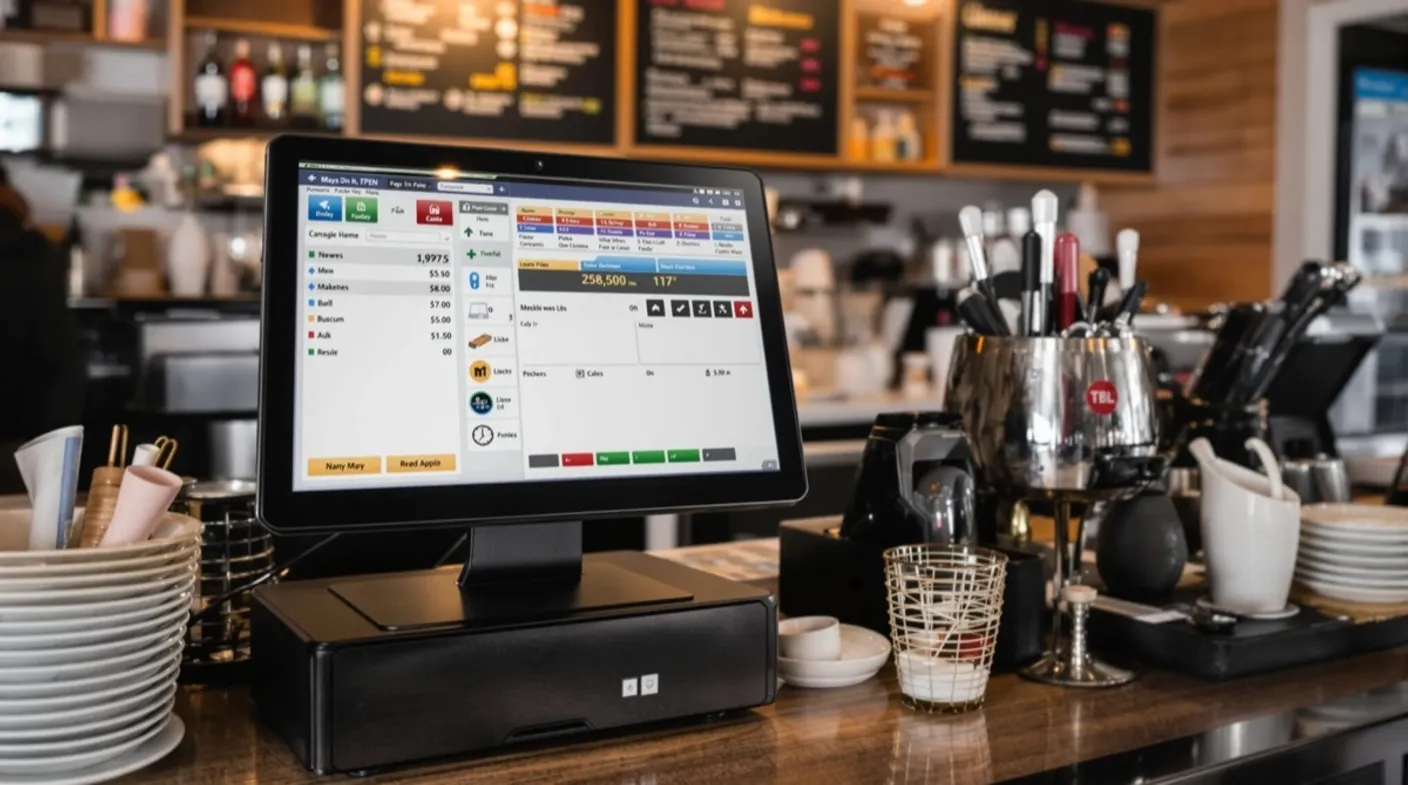
Think of a point of sale system as the nerve center of your restaurant or bar—where every transaction, order, and customer interaction converges into one powerful hub. Unlike clunky cash registers, today’s POS systems are sophisticated digital platforms that transform how you run your hospitality business.
A POS system processes payments, but that’s like saying a smartphone just makes calls. Your modern POS coordinates everything from order taking to inventory tracking. When your server enters that craft cocktail order, the system instantly updates liquor inventory, calculates the check, and tracks bartender performance.
Your POS isn’t just recording transactions—it’s helping you make smarter decisions. Want to know which appetizer sells best or identify peak hours for better staffing? The data’s all there.
The real power lies in integration. Your POS connects with kitchen displays, accounting software, and online ordering platforms—like having a digital assistant who never calls in sick and remembers every operational detail.
For restaurant and bar owners, this means less time on paperwork and more time creating memorable guest experiences while your POS handles the behind-the-scenes heavy lifting.
6 key advantages of Point Of Sale systems for your business
Modern POS systems deliver transformative benefits that extend far beyond simple payment processing. These powerful platforms serve as the backbone of successful hospitality operations, turning chaotic dinner rushes into orchestrated performances.
Faster transactions
Modern POS systems process payments in seconds, whether customers pay with cards, mobile wallets, or split the bill multiple ways. Orders flow seamlessly from table to kitchen—your staff can take orders tableside, send them directly to the kitchen display, and process payments without missing a beat.
This efficiency creates that smooth rhythm that keeps customers happy and tables turning. When your system handles the technical heavy lifting, your team can focus on delivering exceptional service that keeps guests coming back.
Split payments become simple, and processing group orders transforms from a nightmare into a tap-and-go experience. Your customers notice this efficiency, even if they can’t quite identify why their dining experience feels so polished.
Smart inventory control
Real-time inventory tracking prevents those awkward moments when servers have to tell customers you’re out of the special. Your inventory updates automatically with every sale, creating a living snapshot of your stock levels without midnight counting sessions or surprise shortages.
Smart reorder alerts act like your personal assistant, nudging you when supplies run low. You’ll set minimum thresholds for each item, and the system sends alerts before you hit crisis mode, helping you maintain optimal stock levels without tying up unnecessary cash.
Recipe costing becomes precise and profitable when your POS tracks ingredient usage down to the ounce, helping you discover which dishes deliver the best margins and identify menu optimization opportunities.
Better customer service
Tableside ordering eliminates the frustration of catching your server’s eye across a crowded dining room. Guests can browse your menu, customize orders, and even pay without waiting for the check.
Integration with loyalty programs transforms one-time visitors into regulars. The system remembers customer preferences, tracks points automatically, and sends personalized offers that feel thoughtful rather than pushy.
Mobile payment options cater to the smartphone generation with Apple Pay, Google Wallet, and other digital payment methods. The checkout process becomes so smooth that customers barely notice the transition from dining to departing.
Detailed reporting
Your POS transforms meaningless numbers into actionable insights, revealing which menu items are profitable goldmines and which quietly drain profits. Peak hours become crystal clear, helping you optimize staffing and avoid understaffed rushes.
Customer behavior patterns emerge like treasure maps—you’ll learn seasonal trends and preferences that drive smarter menu decisions and targeted promotions that actually work.
Staff performance metrics highlight star performers and identify training opportunities, creating data-driven management that encourages healthy competition among your team.
Fewer mistakes
Mathematical mistakes become ancient history when your POS handles all calculations automatically. Order accuracy improves dramatically when servers input orders directly rather than scribbling on notepads, creating clear, standardized instructions your kitchen staff can actually read.
Inventory tracking eliminates guesswork that leads to over-ordering or running out of popular items mid-service. Cash handling errors virtually disappear when the system tracks every transaction electronically, making end-of-shift reconciliation a breeze.
Maximum security
Enterprise-grade encryption protects every transaction, keeping credit card information secure and out of servers’ hands. PCI compliance becomes manageable when your POS system handles security requirements automatically, reducing your liability.
Employee access controls ensure only authorized staff can process refunds or access sensitive reports. You’ll assign specific permissions to each team member based on their role.
Real-time fraud detection catches suspicious activity before it becomes a problem, while cloud-based backup systems protect your data like digital insurance, ensuring you won’t lose months of sales data to power outages or hardware failures.
Essential features that power these point of sale advantages
These game-changing benefits don’t happen by magic—they’re powered by specific features that work behind the scenes. Let’s dive into the core capabilities that transform your restaurant operations from chaotic to choreographed.
Cloud access anywhere
Your POS system living in the cloud means you’re not chained to a single terminal anymore. Whether you’re at home reviewing yesterday’s numbers or checking inventory while running errands, you can access real-time data from any device with an internet connection.
This remote access becomes a lifesaver when you need to make quick decisions. Stuck in traffic but need to approve a vendor payment? Done. Want to check weekend sales while sipping coffee on Sunday morning? No problem. Cloud-based systems also mean automatic updates and backups—so you’re always running the latest features without manual installations.
The flexibility extends to your staff too. Servers can clock in from their phones, managers can run reports from tablets, and you can monitor multiple locations without being physically present. It’s like having superpowers for restaurant management.
Seamless connections
Modern POS systems don’t just play well with others—they dance with them. Your POS becomes the conductor connecting seamlessly with accounting software, inventory management, online ordering platforms, and social media accounts.
Picture this: a customer places an UberEats order, which automatically flows into your kitchen display, updates inventory, and records the sale in your accounting system. All without anyone lifting a finger. Your reservation system talks to your POS, your loyalty program syncs with purchases, and payroll software tracks employee hours.
This interconnected ecosystem eliminates data silos that used to drive restaurant owners crazy. No more manually entering the same information into multiple systems. Your POS becomes the central nervous system keeping all business functions in perfect harmony.
Digital payments
Gone are the days when “cash or card?” was your only payment question. Today’s customers want to pay with everything from Apple Pay to digital wallets. Mobile payment support means you’re ready for whatever payment method walks through your door.
Contactless payments aren’t just trendy—they’re faster and more secure. A quick tap and the transaction is complete. No fumbling with cash, no waiting for chip readers, no awkward technical difficulties.
Mobile payments also enable tableside service. Servers can process payments right at the table using handheld devices, eliminating waits while customers wonder if their server vanished. Split bills become effortless, customers can add tips digitally, and the result is faster table turns and happier guests.
Central control
Running multiple locations used to mean living in your car, driving between restaurants to check operations. Multi-location management features turn you into a restaurant empire commander operating from a single dashboard, monitoring sales, inventory, staff performance, and customer feedback across all locations simultaneously.
Standardization becomes achievable when you can push menu updates, pricing changes, and promotional campaigns to all locations with a few clicks. That new seasonal cocktail recipe? Deploy it everywhere instantly.
Real-time reporting across locations reveals patterns you might miss when looking at each restaurant individually. Maybe your downtown location dominates lunch while your suburban spot owns dinner service. These insights help optimize staffing, inventory, and marketing strategies for each location’s unique rhythm.
Why point of sale systems are essential for business success
You’ve seen how modern POS systems revolutionize business operations across every industry. These powerful platforms don’t just process payments—they transform your entire workflow from inventory management to customer relationships.
The investment in a quality POS system pays dividends through improved efficiency, reduced errors, and enhanced customer satisfaction. You’ll gain access to real-time insights that drive smarter business decisions while your team operates more smoothly than ever before.
Your business deserves technology that grows with you. A modern POS system isn’t just an upgrade—it’s your competitive advantage in today’s fast-paced market.
Frequently Asked Questions
How do POS systems benefit multi-location businesses?
POS systems enable multi-location management through centralized dashboards that provide real-time insights across all establishments. Business owners can standardize operations, compare performance metrics, manage inventory across locations, and maintain consistent pricing and promotions from a single interface.
How do POS systems help with business analytics and reporting?
POS systems transform sales data into actionable insights through comprehensive reporting and analytics tools. They provide detailed information about sales trends, popular items, peak hours, and customer behavior patterns. This data helps business owners make informed decisions about menu changes, staffing, and marketing strategies.
Are POS systems suitable for different types of businesses?
Yes, modern POS systems adapt to various business models including retail stores, restaurants, bars, and service-based businesses. Each industry benefits from specific features: retailers get inventory automation, restaurants improve order flow and table management, while service businesses optimize booking systems and staff scheduling.