Unlike typical businesses that need basic permits and licences, your restaurant or bar must navigate a complex web of federal, state, and local regulations designed to protect consumer health and safety. The stakes couldn’t be higher: failing to comply with even one regulation could result in permanent reputation damage, costly legal battles, or complete business closure.
Understanding these regulations isn’t just about ticking boxes—it’s about protecting your investment, your customers, and your future. From food safety standards to alcohol licensing requirements, mastering this regulatory landscape is essential for sustainable success in the hospitality industry.
Bar and restaurant regulations in the UK
Running a restaurant or bar in the UK isn’t just about crafting the perfect menu or creating an inviting atmosphere—it’s about mastering a complex web of regulations that govern every aspect of your operation. The regulatory landscape centres around three core areas: food safety, alcohol licensing, and operational compliance.
The Food Safety Act 1990 serves as your foundation, demanding that every morsel leaving your kitchen meets strict safety standards. Meanwhile, the Licensing Act 2003 governs everything from late-night refreshments to background music. These regulations operate on multiple levels: national legislation, local authority requirements, and industry-specific standards all at once.
Registration timing is crucial—you must register your food business with your local authority at least 28 days before opening. This isn’t optional; it’s a legal requirement that costs nothing but demands attention to detail. The stakes couldn’t be higher: regulatory breaches don’t just result in fines—they can trigger closure orders, damage your reputation permanently, and in severe cases, lead to criminal prosecution.
Essential licensing requirements
Premises licence
Your premises licence is essentially your golden ticket to the hospitality world. Under the Licensing Act 2003, this licence covers four key activities: selling alcohol, providing late-night refreshments (hot food and drinks between 11pm and 5am), playing recorded music, and hosting live entertainment.
The application process requires you to advertise your intentions publicly—you’ll need to display a blue notice at your premises for 28 consecutive days and place an advertisement in the local newspaper. The cost varies by council but typically ranges from £100-£635 depending on the rateable value of your premises. Processing takes around 2-3 months, so don’t leave this until the last minute.
Personal licence
Your personal licence allows you to authorise and oversee alcohol sales within any licensed premises. To obtain one, you’ll need to pass an accredited qualification such as the Award for Personal Licence Holders (APLH) and complete a basic DBS check. The application costs around £37 and takes approximately 6-8 weeks to process through your local council.
Food business registration
If you’re serving anything more adventurous than sealed packets of crisps, you’ll need to register your food business with your local authority—completely free. This registration must be completed at least 28 days before you start trading. Your local environmental health department will schedule an inspection before you can legally serve food to customers.
Health and safety compliance
Food hygiene standards
Food hygiene standards are your first line of defence against reputation-destroying incidents. The Food Safety Act 1990 mandates that you implement systematic food safety practices, including a comprehensive HACCP system covering everything from ingredient storage to final service.
Your food hygiene rating directly impacts your bottom line—research shows that 69% of customers actively check food hygiene ratings before visiting establishments. Environmental Health Officers will inspect your premises, assessing food handling procedures, storage temperatures, staff hygiene practices, and allergen management systems on a scale of 0-5.
Every employee handling food requires proper food safety training, covering hand hygiene, temperature control, cross-contamination prevention, and allergen awareness.
Fire safety requirements
Fire safety compliance follows the Regulatory Reform (Fire Safety) Order 2005, placing legal responsibility squarely on your shoulders. You must conduct a suitable and sufficient fire risk assessment, reviewing it regularly and updating it whenever circumstances change.
You’re required to install appropriate fire detection systems, including smoke alarms, fire extinguishers, and emergency lighting. Your escape routes must remain clear and well-marked, with emergency exits easily accessible. Staff fire safety training is compulsory—your team must understand evacuation procedures and their roles during emergencies.
Workplace safety regulations
Workplace safety regulations require you to provide safe working conditions for your employees. You must systematically identify hazards throughout your operation and maintain documented risk assessments. Provide appropriate personal protective equipment (PPE), ensure proper training on equipment use, and maintain safe working procedures.
Alcohol sales and service rules
Licensing act 2003 requirements
The Licensing Act 2003 establishes mandatory conditions including prohibiting irresponsible promotions, ensuring free tap water availability, implementing age verification policies, and offering smaller drink measures when requested. The Act also bans selling alcohol below the combined cost of duty and VAT.
Age verification and restricted sales
Age verification sits at the heart of responsible alcohol service, with the legal drinking age set at 18. The “Challenge 25” scheme has become the industry standard, requiring ID checks for anyone who appears under 25. Acceptable forms include driving licences, passports, PASS-accredited cards, and military ID.
The consequences of underage sales are severe: unlimited fines, personal prosecution of the person who made the sale, and potential licence revocation..
Weights and measures for alcoholic beverages
Beer, lager, and cider must be sold in specific quantities: one-third pint, half pint, two-thirds pint, or multiples of half pints. Spirits must be dispensed in measures of 25ml or 35ml—you choose which, but consistency is key. Wine is available by the glass in 125ml, 175ml, or multiples thereof.
Your measuring equipment must be government-stamped and regularly calibrated. Many establishments face prosecution not for intentional fraud, but for using uncalibrated equipment or failing to maintain measurement standards.
Food safety and hygiene regulations
Food handling and storage
Proper food handling requires systematic temperature control, maintaining cold foods below 5°C and hot foods above 63°C throughout the entire process. Store raw meats separately from ready-to-eat items, using colour-codedcutting boards and designated preparation areas to prevent cross-contamination.
Implement the “first in, first out” principle with clear date labelling on all stored items. Maintain detailed records of supplier deliveries, storage temperatures, and disposal of expired products.
Allergen management
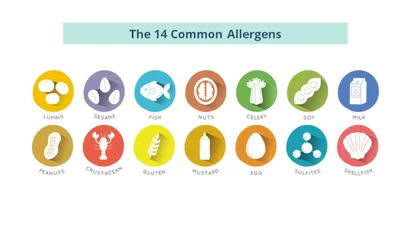
The Food Information Regulation 2014 requires you to identify and communicate information about 14 major allergens. Your HACCP system must incorporate allergen hazards, establishing clear protocols for ingredient verification, preparation separation, and equipment cleaning.
Cross-contamination prevention requires dedicated preparation areas, separate storage containers, and colour-codedequipment for allergen-containing products. Menu labelling and staff communication protocols ensure customers receive accurate allergen information.
Staff training requirements
All employees involved in food storage, preparation, or service must receive appropriate training proportional to their responsibilities. Your training programme must cover fundamental food hygiene principles: personal hygiene standards, temperature control procedures, cleaning and sanitisation protocols, and allergen awareness.
Documentation is essential—maintain training records showing completion dates, training content, and assessment results for each team member.
Business structure and registration
Choosing your business structure
Sole trader status offers the simplest entry point for small restaurant operations but leaves personal assets exposed to business debts. Partnership structures suit ventures with multiple owners, while limited companies provide robust protection by separating personal and business assets.
Regulatory registration process
Companies House registration initiates your restaurant’s legal existence as a limited company. HMRC registration establishes your tax obligations across multiple categories, including corporation tax, VAT, and PAYE when employing staff.
Local council registration covers business rates and planning permissions, while food business registration with local authorities remains mandatory regardless of business structure.
Enforcement and compliance
Regulatory inspections
Your establishment faces regular scrutiny from multiple regulatory bodies. Environmental Health Officers conduct unannounced food safety inspections every 6-18 months, while licensing officers perform compliance checks on alcohol service. Trading Standards officers focus on weights and measures compliance.
Preparation proves crucial for successful inspections. Maintain comprehensive documentation, conduct regular self-audits, and ensure all staff understand their roles during inspections.
Penalties for non-compliance
Non-compliance triggers escalating penalties that can devastate your business. Food safety violations result in immediate consequences from improvement notices to prohibition notices that halt food service. Serious violations lead to prosecution under the Food Safety Act 1990, carrying unlimited fines and potential imprisonment.
Alcohol licensing breaches carry specific financial penalties up to £20,000, whilst workplace safety violations attract substantial penalties through HSE enforcement. Trading standards violations for incorrect measures result in immediate equipment confiscation and fines up to £5,000 per offence.
Conclusion
Your success in the bar and restaurant industry depends entirely on how well you master the regulatory landscape. These aren’t just bureaucratic hurdles—they’re the foundation that protects your business from catastrophic failures and ensures sustainable growth.
The investment you make in understanding and implementing proper compliance systems will pay dividends through reduced risk exposure and enhanced customer confidence. Start building your regulatory knowledge today and treat it as an ongoing commitment rather than a one-time task. Your dedication to proper compliance will distinguish your establishment in an increasingly competitive market.
Frequently asked questions
How often will my restaurant be inspected?
Regular inspections are conducted by various regulatory bodies including Environmental Health Officers, licensing officers, and Trading Standards officers. The frequency depends on your food hygiene rating and compliance history, but you should always be prepared for unannounced inspections with comprehensive documentation and well-trained staff.
Can I serve alcohol without a personal licence holder present?
No, you must have a designated premises supervisor with a personal licence present during alcohol sales. The personal licence holder must pass an accredited course and undergo a DBS check. This person is responsible for overseeing alcohol sales and ensuring compliance with licensing conditions.
What are the penalties for selling alcohol to minors?
Selling alcohol to underage customers can result in hefty fines, licence revocation, and criminal prosecution for both the individual staff member and the business. The penalties are severe and can include unlimited fines and up to six months imprisonment for staff, plus potential closure of the business.