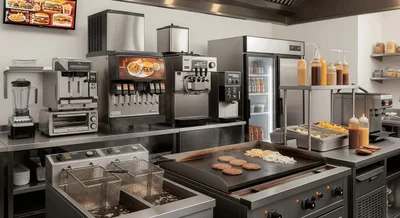
Whether you’re managing a bustling downtown bar or an intimate neighborhood pub, following the FIFO (First-In, First-Out) method and maintaining consistent cleanliness protocols is essential. From sanitized bar tops and properly functioning ice machines to stocked handwashing stations and pest-free storage areas, every detail matters when inspectors arrive.
A comprehensive bar health inspection checklist serves as your daily roadmap to compliance, helping you spot potential violations before they become costly problems. By implementing systematic checks for cleanliness, food safety, and equipment maintenance, you’ll create a safer environment while protecting your business from unexpected shutdowns.
What inspectors examine: food safety, equipment, and hygiene
Health inspectors evaluate whether your establishment poses risks to public health, and their findings can make or break your operation.
Food and beverage safety standards
Inspectors focus on how you handle perishables, from fresh lime garnishes to open wine bottles. They’re particularly concerned about cross-contamination—raw ingredients must never share storage space with garnishes or prepared foods.
Temperature logs are crucial. Inspectors expect documented proof that cold foods stay below 41°F (5°C) and hot items remain above 135°F (57°C). The temperature danger zone between these points allows harmful bacteria to multiply rapidly.
Your FIFO rotation system faces scrutiny. Expired ingredients trigger immediate citations, so post clear date labels and train staff to rotate stock religiously.
Equipment cleanliness and maintenance
Ice machines often fail inspections due to mold buildup, dirty filters, and improper cleaning schedules. Glasswashers and dishwashers must reach 180°F (82°C) for sanitizing cycles.
Bar equipment receives thorough examination, from blender gaskets to tap lines. Beer systemsrequire particular attention since stagnant lines harbor bacteria. Inspectors check cleaning schedules and chemical storage protocols.
Refrigeration units undergo temperature verification and cleanliness assessments. Blocked air vents or overcrowded storage signal poor maintenance. Maintenance logs and cleaning schedules demonstrate proper upkeep.
Personal hygiene requirements
Inspectors observe handwashing frequency, proper technique, and access to dedicated stations. Staff should wash hands for 20 secondsafter using restrooms, handling raw ingredients, or clearing tables.
Proper attire includes clean uniforms, hair coverings, and appropriate gloves. Change single-use gloves frequently, especially after handling raw foods or chemicals.
Sick employees represent major violations. Policies should outline symptoms requiring staff to stay home: fever, vomiting, diarrhea, or jaundice. Break areas must remain separate from food preparation zones.
Storage and temperature controls
Storage practices reveal operational discipline. Inspectors examine chemical storage (separate from food), dry goods elevation off floors, and inventory organization preventing pest access.
Temperature logs must show consistent readings with regular thermometer calibration. Verify refrigeration seals remain intact and units aren’t overcrowded.
| Temperature Requirements | Cold Storage | Hot Holding |
|---|---|---|
| Perishables | Below 41°F (5°C) | Above 135°F (57°C) |
| Frozen Items | Below 0°F (-18°C) | N/A |
| Documentation | Required daily logs | Required hourly checks |
Follow proper food storage hierarchy: ready-to-eat items on top shelves, raw meats on bottom levels. This prevents drip contamination and demonstrates professional food safety knowledge.
Inspectors evaluate pest control measures, looking for entry points, exclusion methods, and documentation of professional pest management services.
Critical checklist areas: cleanliness, equipment, and waste
Master these critical inspection areas to ensure compliance and avoid costly violations.
General cleanliness and sanitation
All surfaces, including bar tops, tables, and counters, must be clean and sanitized throughout operating hours. Health inspectors scrutinize every surface for cleanliness standards.
Floors should be spotless and free from spills that could create slip hazards or attract pests. Clean bars create environments where customers feel comfortable spending money.
Bar equipment and glassware
Every piece of equipment, from glasswashers to cocktail shakers, must meet strict cleanliness standards. Bar tools and equipment require sanitization between uses, especially when switching between different beverages or garnishes.
Glassware demands special attention because it directly contacts customers’ mouths. Store clean glasses with adequate ventilation to prevent moisture buildup that breeds bacteria. Glasswashers and dishwashers must function at optimal temperatures—typically 180°F (82°C) for sanitizing cycles.
Inspect equipment daily for leaks, spills, or electrical issues. Malfunctioning equipment during inspections raises red flags about overall maintenance standards. Keep maintenance logs available—inspectors appreciate documented proof of diligence.
Refrigeration and ice machines
Temperature control represents one of the most critical aspects inspectors evaluate. Refrigerators must maintain temperatures at or below 40°F (4°C), while freezers should stay at **0°F (-18°C)**or lower.
Ice machines require special attention as they’re notorious breeding grounds for mold and bacteria when neglected. Clean ice machines regularly and ensure no mold lurks in hidden corners. Ice must be crystal clear and free from off-odors or discoloration.
Check refrigeration seals regularly—loose or damaged seals waste energy and compromise food safety. Ensure air vents aren’t blocked by overstocking because proper airflow prevents dangerous temperature fluctuations. Label and date all stored items following FIFO method religiously.
Restrooms and handwashing facilities
Clean, well-stocked restrooms demonstrate commitment to overall sanitation. Stock them with toilet paper, soap, and disposable hand towels or functioning air dryers.
Handwashing stations throughout your bar must remain accessible and properly supplied. Hot water should reach 100°F(38°C) at handwashing sinks, with soap and paper towels always available. Post visible handwashing signs—they’re legal requirements in most jurisdictions.
Don’t use restrooms as storage areas—inspectors disapprove of supplies sharing space with toilet facilities. Handwashing stations should never run dry of soap or towels because proper hand hygiene prevents contamination issues.
Waste management systems
Waste management systems reveal how seriously you take sanitation. Garbage and recycling bins require regular emptying throughout service hours and thorough cleaning to prevent pest attraction. Use bins with tight-fitting lids positioned away from food preparation areas.
Develop systematic waste removal approaches that prevent overflow during busy periods. Train staff to recognize when bins need attention before they become health hazards.
Your outdoor dumpster area reflects overall cleanliness standards. Keep dumpster lids closed, grease containers sealed, and surrounding areas clean and pest-free. Inspectors check these areas because they indicate whether you maintain standards even where customers can’t see.
Violations that close bars and minor infractions to avoid
Understanding what health inspectors flag as violations helps you avoid closure-worthy problems and minor infractions that damage your reputation.
Critical violations
Critical violations trigger immediate closure until you fix the problems. These aren’t suggestions—they’re emergency stops that protect public health.
Temperature abuse tops closure-worthy violations. Beer coolers running at **50°F (10°C)**instead of required 38°F(3°C) or below create bacterial playgrounds. Hot food items sitting in the **danger zone between 41-135°F(5-57°C)**trigger immediate action.
Cross-contamination scenarios send inspectors into overdrive. Using the same cutting board for limes and raw chicken without sanitizing between uses earns instant closure. Raw meat drippings contaminating ready-to-eat garnishes or using the same ice scoop for ice and cleaning chemicals creates the same result.
Pest infestations earn instant shutdown. Live rodents or cockroaches near glassware storage means you’re done for the day. Extensive pest droppings in food storage areas trigger immediate closure.
Sick employees handling food or beverages without proper protocols violate critical health codes protecting public safety.
Minor infractions and earnings
Not every violation means closure—some issues earn warnings and point deductions you can address before the next inspection.
Cleaning and sanitization lapses often fall into this category. Bar glasses not meeting sanitization temperature requirements or cleaning cloths not stored in sanitizing solution show up on reports but don’t typically shut you down.
Minor temperature violations might earn warnings rather than closures. Walk-in coolers running at 43°F (6°C)—two degrees above the 41°F (5°C) requirement—might give you time to adjust equipment.
Improper food labeling and dating frequently appears as minor violations. Forgetting to date opened simple syrup bottles or failing to label house-made mixers properly docks points but usually allows on-the-spot corrections.
Personal hygiene infractions, like staff not wearing hair restraints or jewelry violations, often result in warnings rather than immediate closures.
Storage organization problems—cleaning supplies stored too close to glassware or improper FIFO rotation—usuallyearn citations and follow-up requirements rather than shutdowns.
Documentation and record-keeping issues
Poor documentation practices create red flags suggesting deeper operational problems.
Missing temperature logs signal inconsistent food safety monitoring. When you can’t produce records showing refrigeration units maintained proper temperatures, inspectors assume the worst.
Inadequate employee training documentation creates common red flags. Inspectors expect food handler certifications for all staff, plus ongoing safety training records.
Poor maintenance records for ice machines, dishwashers, and refrigeration units suggest neglect of critical food safety systems. Inspectors want regular cleaning schedules and maintenance logs proving proper equipment upkeep.
Incomplete incident reports draw scrutiny. Customer foodborne illness complaints or equipment malfunctions require documented evidence of resolution approaches.
Supplier documentation gaps trigger violations. You need records proving food and beverage suppliers meet safety standards and deliver products at proper temperatures.
Inspection preparation: daily routines, training, and emergencies
Success requires consistent preparation and smart planning. You can’t expect good results without systematic preparation.
Daily maintenance routines
Daily maintenance forms the backbone of inspection readiness. Start each day with systematic walkthroughs covering every inch of your establishment. Ensure surfaces shine, floors remain spotless and slip-free, and equipment functions properly.
Temperature monitoring is crucial. Log refrigeration temperatures twice daily—cold items below 41°F (5°C), hot foods above 135°F (57°C). Clean ice machines daily, ensuring crystal-clear cube production.
Handle essential tasks: empty trash before overflow, restock handwashing stations, and maintain restrooms meticulously. Inspectors notice everything, from bar tops to storage areas.
| Daily Task | Frequency | Critical Temperature |
|---|---|---|
| Surface sanitization | Every 4 hours | N/A |
| Temperature logging | Twice daily | Cold: <41°F, Hot: >135°F |
| Ice machine cleaning | Daily | N/A |
| Restroom restocking | 3 times daily | N/A |
Staff training requirements
Your team is your defense against health violations. Every staff member needs proper food handling certification and understanding of health standards.
Schedule monthly refresher sessions covering handwashing techniques (20 seconds minimum), cross-contamination prevention, and temperature control. Train bartenders to handle garnishes safely and ensure everyone uses thermometers and pH strips correctly.
Create buddy systems where experienced staff mentor newcomers. Document everything—keep training records, certifications, and attendance logs organized for inspector review.
Emergency preparedness measures
Emergency preparedness plans must be solid and actionable. Start with equipment backup plans: when refrigeration units fail, have immediate alternatives ready.
Maintain relationships with emergency repair services and equipment rental companies. Store contact information accessibly and keep backup thermometers and cleaning supplies available.
Create incident response protocols for pest activity, hazardous spills, or equipment malfunctions. Include immediate containment measures, documentation requirements, and notification procedures.
Keep updated emergency contact lists including health departments, utility companies, pest control services, and repair technicians. This ensures professional response during crises.
Bar health inspections ensure customer safety and business success
Taking charge of bar health inspection readiness isn’t just about avoiding violations—it’s about building sustainable businesses that customers trust. When you implement these checklist strategies consistently, you’ll create cultures where health compliance becomes second nature to your entire team.
Successful bars don’t just pass inspections—they exceed expectations. By maintaining rigorous daily standards, you’ll protect customers, your reputation, and your bottom line. Your commitment to health excellence will set you apart from competitors and ensure long-term success.
Start implementing these practices today and transform health inspections from stressful events into opportunities showcasing your professionalism. Your future self will thank you for the peace of mind that comes with knowing you’re always inspection-ready.
Frequently asked questions
What are the most critical areas health inspectors examine in bars?
Health inspectors focus on food and beverage safety, temperature control, equipment cleanliness, staff hygiene, storage practices, and pest control. They check that cold foods stay below 41°F and hot items above 135°F, ensure proper FIFO rotation, inspect ice machines and refrigeration units, and verify staff follow handwashing protocols and proper attire requirements.
What documents should bar managers maintain for health inspections?
Bar managers should keep temperature logs for refrigeration equipment, employee food safety training records, maintenance schedules and logs for all equipment, cleaning checklists, pest control documentation, and vendor approval records. These documents demonstrate ongoing compliance and can prevent violations during inspections.
What is the most common health violation in restaurants?
One of the most common reasons for a negative health inspection is improper food storage. Storing inventory incorrectly—especially raw and ready-to-eat foods— can lead to cross-contamination, which is one of the main contributors to food-borne illnesses.