Opening a bar without a proper checklist is like flying a plane without doing a pre-flight inspection. Sure, you might get lucky, but why risk crashing and burning when you could soar instead? Whether you’re managing a neighborhood dive bar or an upscale cocktail lounge, those crucial opening minutes set the tone for your entire shift. Miss one critical step, and you’ll spend the rest of the night playing catch-up while frustrated customers walk out the door.
The difference between a smooth, profitable evening and complete chaos often comes down to having a systematic approach to your opening routine. A comprehensive bar opening checklist isn’t just a nice-to-have—it’s your secret weapon for consistent success.
What is bar opening checklist and why you need one
A bar opening checklist is your daily roadmap to success—a systematic list that transforms morning prep chaos into a smooth, efficient routine. It’s your bar’s morning ritual, ensuring every glass sparkles, every tap flows perfectly, and every detail falls into place before your first customer arrives.
This isn’t just a napkin scribble. A proper opening checklist covers safety protocols, equipment checks, inventory verification, and staff preparation. It catches potential problems before they become customer-facing disasters.
Your checklist creates team accountability, ensures shift consistency, and maintains standards that keep customers returning. More importantly, it protects your bottom line by preventing costly mistakes like serving from empty kegs or discovering broken equipment mid-rush.
A well-crafted checklist turns even your newest bartender into a preparation pro. When everything’s documented, there’s no guesswork. Your morning routine becomes predictably successful.
Successful bars don’t achieve consistency by accident—they rely on systems that work regardless of who’s opening or what kind of morning they’re having. Your opening checklist becomes that reliable system, transforming good intentions into measurable results.
Essential components every bar opening checklist must include
Your opening checklist becomes the backbone of daily operations when it covers these four essential pillars. Each component works like a gear in a well-oiled machine—miss one, and the whole system stumbles.
Equipment and machinery checks
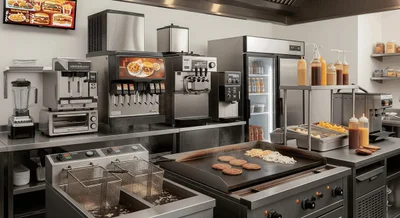
Your bar equipment is the heartbeat of your operation and deserves first-class attention every morning. Start with your draft system—nothing kills the mood faster than flat beer or foam explosions when the first wave of happy hour customers arrives. Check CO2 levels (aim for 12-14 PSI for most beers) and ensure all taps pour smoothly without sputtering.
Move through your refrigeration units like a detective. Are temperatures holding steady at 38-40°F (3-4°C) for your walk-in cooler? Your ice machine should be cycling properly—trust me, you don’t want to discover it’s been down overnight when you need 200 pounds of ice for a Friday night rush.
Don’t skip the small stuff that packs a big punch. Your POS system needs a quick boot-up test, along with receipt printer functionality. That blender that makes your signature frozen margaritas? Give it a whirl (literally). Smart operators keep a simple log of equipment checks—when something starts acting funny, you’ll have the data to spot patterns before costly breakdowns hit.
Inventory and stock verification
Think of inventory verification as your financial safety net stretched tight across every bottle and garnish. Your opening team should conduct quick counts on high-velocity items—those premium spirits that walk out the door fastest and hurt your margins most when they disappear unexpectedly.
Focus on the 80/20 rule here. Twenty percent of your inventory typically generates eighty percent of your sales, so prioritize accordingly. Count your top-shelf whiskeys, vodkas, and signature cocktail ingredients first. A simple tally system works wonders—you’re not doing a full audit, just catching discrepancies before they snowball.
Your beer kegs deserve special attention since they’re often your highest-volume items. Check weights or use keg scales to estimate remaining volumes. Nothing derails service like running out of your house lager mid-rush while customers wait impatiently at the bar.
Don’t forget the supporting cast—fresh citrus, garnishes, simple syrups, and those little cocktail umbrellas that customers inexplicably love. A missing garnish can turn your signature drink into an ordinary one faster than you can say “profit margin.”
Cleanliness and sanitation standards
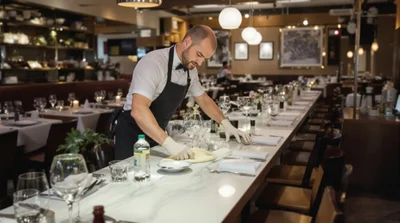
Cleanliness isn’t just about looking good—it’s your shield against health department nightmares and customer complaints that spread faster than wildfire on social media. Your opening sanitation routine should flow like a choreographed dance, with every surface getting its moment in the spotlight.
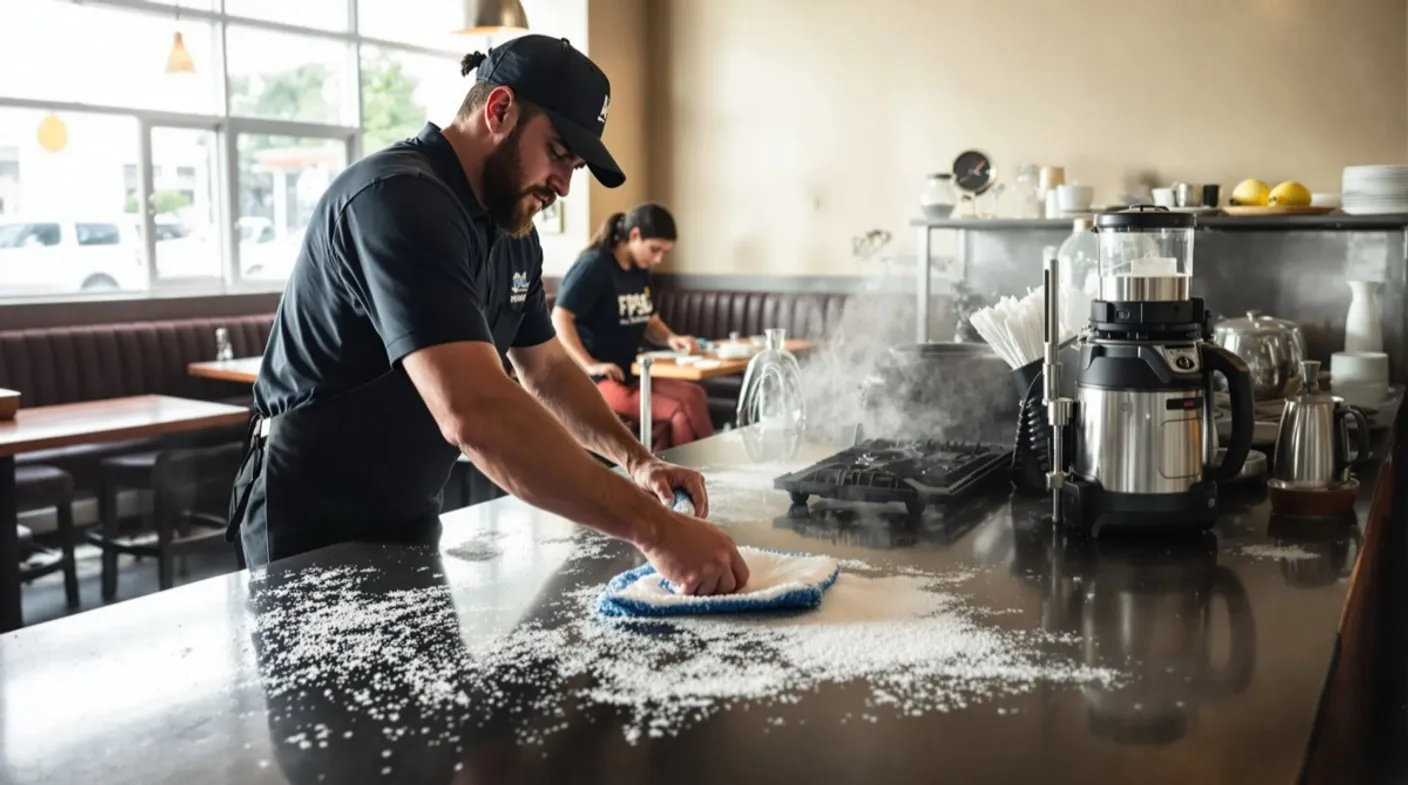
Start with your bar top and work surfaces using approved sanitizers (quaternary ammonium compounds work great for most surfaces). Your glassware needs a once-over even if it went through the dishwasher the night before—water spots and soap residue can ruin the presentation of your carefully crafted cocktails.
Pay special attention to high-touch areas that harbor bacteria like door handles, POS screens, and tap handles. Your ice bins should be spotless—ice is food according to health codes, and contaminated ice can shut you down faster than a power outage.
The devil lives in the details here. Clean your beer lines weekly (or follow your brewery’s recommendations) to prevent off-flavors that turn your premium draft into expensive disappointment. Keep cleaning logs visible—health inspectors love documentation, and consistent records show you’re serious about food safety.
Staff preparation and scheduling
Your team is the engine that drives every successful service, and proper preparation turns good bartenders into great ones. Morning briefings should cover more than just “we open in thirty minutes”—they’re your opportunity to set the tone for exceptional service.
Review your daily specials and any new cocktails with precision. Walk through proper preparation techniques for signature drinks so every bartender creates consistent results. A Manhattan should taste the same whether Jake or Maria makes it, and your customers should never wonder if they’ll get their favorite drink prepared correctly.
Address scheduling logistics upfront. Who’s handling which sections? Who’s your designated trainer if you have new staff? Clear role definitions prevent confusion during busy periods when every second counts.
Don’t underestimate the power of a quick uniform check and attitude assessment. Your bartenders are brand ambassadors, and their appearance and energy level directly impact customer perception. Sometimes a simple “how are you feeling today?” can reveal staffing issues before they affect service quality.
Key features that make bar opening checklists effective
An effective opening checklist transforms simple task management into a sophisticated operational system that adapts to your unique environment while maintaining consistent execution.
Digital vs paper-based systems
Your choice between digital and paper-based checklists impacts morning efficiency. Digital systems offer real-time updates, timestamp verification, and photo documentation for critical tasks like equipment temperatures. When your morning manager checks off the ice machine, you see it instantly from the office.
Paper checklists excel in busy environments with splashed liquids and sticky fingers. They’re immune to dead batteries and don’t require Wi-Fi connections. However, they lack accountability features—no verification of completion times or staff responsibility.
Many successful operations use hybrid approaches: critical safety items get digital tracking with photo requirements, while routine cleaning tasks stay on laminated paper cards. This provides bulletproof documentation for inspectors and practical usability for staff.
Consider your team’s tech comfort level—a digital system that intimidates your experienced bartender won’t get used properly.
Customizable task categories
Generic checklists never fit right. Your sports bar needs different opening priorities than an upscale cocktail lounge.
Smart categorization starts with revenue drivers. High-volume draft operations need detailed keg checks, while craft cocktail bars require extensive garnish prep. Organize by time sensitivity: “Must complete before 10 AM” versus “Complete before first customer.”
Location matters enormously. Beachfront bars need humidity checks, mountain venues require heating verification, and urban locations prioritize security resets. Staff role categories prevent confusion—bartenders handle drink stations while servers prep dining areas.
The best categories flow logically: equipment checks lead to cleaning verification, which leads to stock assessment.
Time management integration
Effective checklists integrate realistic time estimates with your opening schedule, working backward from first customer arrival.
Priority-based timing prevents bottlenecks. Critical path items—heating fryer oil or chilling draft lines—get scheduled first with buffer time. Secondary tasks fill gaps while essential equipment reaches operating temperature.
Account for natural rhythms. Most staff work efficiently on detailed tasks during their first hour. Save heavy lifting for mid-morning energy dips.
Build 15-20% buffer time into major categories—Murphy’s Law loves busy mornings. Map sequential dependencies clearly since you can’t clean draft lines until the system pressurizes.
Compliance and safety requirements
Your checklist serves as first-line defense against violations. Health departments universally examine temperature logs first—recorded readings, not visual confirmation.
Food safety demands systematic verification of refrigeration units and hot holding equipment. Alcohol licensing compliance requires current license display, proper area marking, and staff certification verification.
Safety equipment needs visual verification: fire suppression systems, first aid inventory, emergency lighting. Digital systems provide tamper-proof timestamps and photo documentation.
Remember: if it’s not documented, it didn’t happen in regulatory eyes.
Transform your bar operations with a systematic approach
Your bar opening checklist isn’t just another piece of paperwork—it’s your blueprint for daily success. When you implement a systematic approach to your morning routine, you’re investing in your bar’s long-term profitability and reputation.
The difference between thriving bars and struggling ones often comes down to consistency. You can’t afford to leave critical tasks to memory or hope that everything will work perfectly.
Start building your customized opening checklist today. Whether you choose digital tools, paper systems, or a hybrid approach, the key is creating something your team will actually use. Your future self will thank you when those busy Friday nights run seamlessly because you took the time to get the fundamentals right.
Frequently Asked Questions
Should I use a digital or paper-based checklist system?
Most successful bars use a hybrid approach combining both digital and paper systems. Digital systems offer tamper-proof documentation, photo verification, and compliance tracking, while paper checklists provide practical usability during busy periods. The best choice depends on your specific operational needs, staff preferences, and documentation requirements for regulatory compliance.
How can a checklist help with compliance and safety requirements?
A well-structured checklist serves as your first line of defense against regulatory violations. It ensures consistent completion of safety protocols, provides documentation for health inspections, and creates accountability trails. Digital systems can offer tamper-proof verification and photo documentation of critical tasks, helping you maintain compliance and avoid costly penalties.