Running a restaurant is like conducting a symphony where half the musicians call in sick, and the sheet music changes daily. Even established restaurants hit plateaus—sales stall, regulars fade away, and you wonder if that bistro down the street has stolen your thunder.
The good news? You don’t need a complete overhaul to revive your establishment. Strategic tweaks can transform a struggling restaurant into the neighborhood hotspot everyone’s buzzing about. Whether you’re battling inconsistent reviews, rising costs, or sensing your spot has lost its spark, improvement is within reach.
What follows are battle-tested strategies addressing the core pillars of restaurant success: food, people, operations, atmosphere, marketing, and profitability. Each section delivers actionable insights you can implement starting today. Ready to turn things around? Let’s dig in.
Menu quality drives restaurant success: enhance consistency
Your menu is your promise to guests. Consistency separates memorable restaurants from forgettable ones. A dish that’s incredible one day but mediocre the next breaks trust and loses customers.
Customer feedback refines menus
Your customers are free consultants—listen to them. Analyze which dishes sell consistently versus those gathering dust. Trim underperforming items that create waste, slow kitchen times, and confuse staff.
Focus on what you do exceptionally well. Double down on crowd favorites and eliminate complicated dishes that rarely sell. Train front-of-house staff to gather feedback through casual conversation, and mine online reviews for recurring themes about portions, temperature, or taste.
Test new concepts with limited-time specials before adding them permanently. This reduces risk while making guests feel like insiders.
Quality ingredients matter most
Mediocre ingredients kill reputations. Guests taste the difference between fresh, quality ingredients and cheap alternatives, even when they can’t explain why.
Build relationships with local suppliers for better quality, pricing, and seasonal variety. Visit farmers’ markets and partner with vendors who share your quality standards. These connections improve your ingredients and storytelling.
Embrace seasonality—summer tomatoes and corn, winter root vegetables and citrus. This approach enhances flavor, reduces costs, and shows culinary thoughtfulness.
Establish ingredient standards and train staff to inspect every delivery. One batch of poor-quality ingredients can ruin multiple dishes and damage your reputation.
Service excellence transforms first-timers into loyal guests
Technical excellence means nothing if your service leaves guests feeling ignored or undervalued. True hospitality turns first-timers into regulars and regulars into evangelists.
Service connects every touchpoint of the dining experience. From the host’s greeting to complaint handling, each interaction either strengthens or weakens the guest relationship.
Staff training builds confidence
Your staff needs intentional training to anticipate needs, handle difficult guests, and upsell naturally.
Start with comprehensive onboarding: menu knowledge (including ingredients and allergens), shadowing experienced staff, and understanding your service philosophy. Continue with regular refreshers and skill-building sessions.
Use role-playing exercises for common scenarios: dietary restrictions, timing complaints, special occasions. These build confidence and consistency before real pressure hits.
Teach staff to read tables. Some guests want chatty service, others prefer minimal interruption. Great servers gauge which approach suits each table.
Empower staff to resolve issues without always escalating. If a dish disappoints, can your server offer a replacement or comp dessert? Set parameters, but reasonable discretion pays dividends.
Recognize exceptional service publicly in team meetings. Positive reinforcement shapes culture faster than criticism.
Welcoming atmosphere starts here
Hospitality begins at your entrance. Greet guests promptly, even if just to say “Welcome, we’ll seat you shortly.”Acknowledgment matters—feeling invisible frustrates people.
Seat thoughtfully. Don’t place anniversary couples next to loud bachelor parties. Consider table dynamics and noise levels.
Train staff to remember regulars: names, favorite tables, usual orders. Recognition transforms transactions into relationships.
Handle complaints with grace and gratitude—complainers give you chances to fix problems instead of just disappearing. Listen actively, apologize sincerely, resolve swiftly.
The best hospitality feels effortless but results from countless intentional choices, consistently executed.
Operations efficiency impacts quality, morale, and profits
Efficient operations drive food quality, staff morale, guest satisfaction, and profit margins. Focus on eliminating waste, reducing friction, and creating systems that help your team excel.
Kitchen workflow optimization
Your kitchen layout directly impacts ticket times, food quality, and staff stress. Map your current workflow to identify bottlenecks, then reorganize by moving frequently-used ingredients closer to where they’re needed.
Establish strong mise en place culture with proper prep work before service. When everything’s prepped, labeled, and positioned correctly, your team executes smoothly during rushes.
Standardize recipes with precise measurements and clear instructions to ensure consistency. Create systems for prep checklists, inventory checks, and cleaning protocols.
Cross-train kitchen staff across multiple stations for flexibility during call-outs and rushes. Invest in quality equipment and maintain it religiously—temperamental equipment can derail entire services.
Technology solutions work
Choose technology that solves specific operational problems, not trendy tools without clear benefits.
Modern POS systems track sales data, manage inventory, analyze menu performance, and integrate with online ordering. Upgrading from outdated systems pays for itself through improved efficiency and better insights.
Inventory management software reduces waste and prevents stockouts by tracking usage patterns and automatically generating orders. Reservation platforms streamline bookings, reduce no-shows through automated reminders, and capture guest preference data.
Kitchen display systems replace paper tickets with digital screens that prioritize orders and track timing, especially valuable during rushes. Online ordering expands revenue streams, but ensure your kitchen can handle volume without compromising dine-in quality.
Employee scheduling software simplifies creating fair schedules and allows staff to swap shifts and request time off, reducing administrative burden.
Ambiance shapes guest experience beyond just food quality
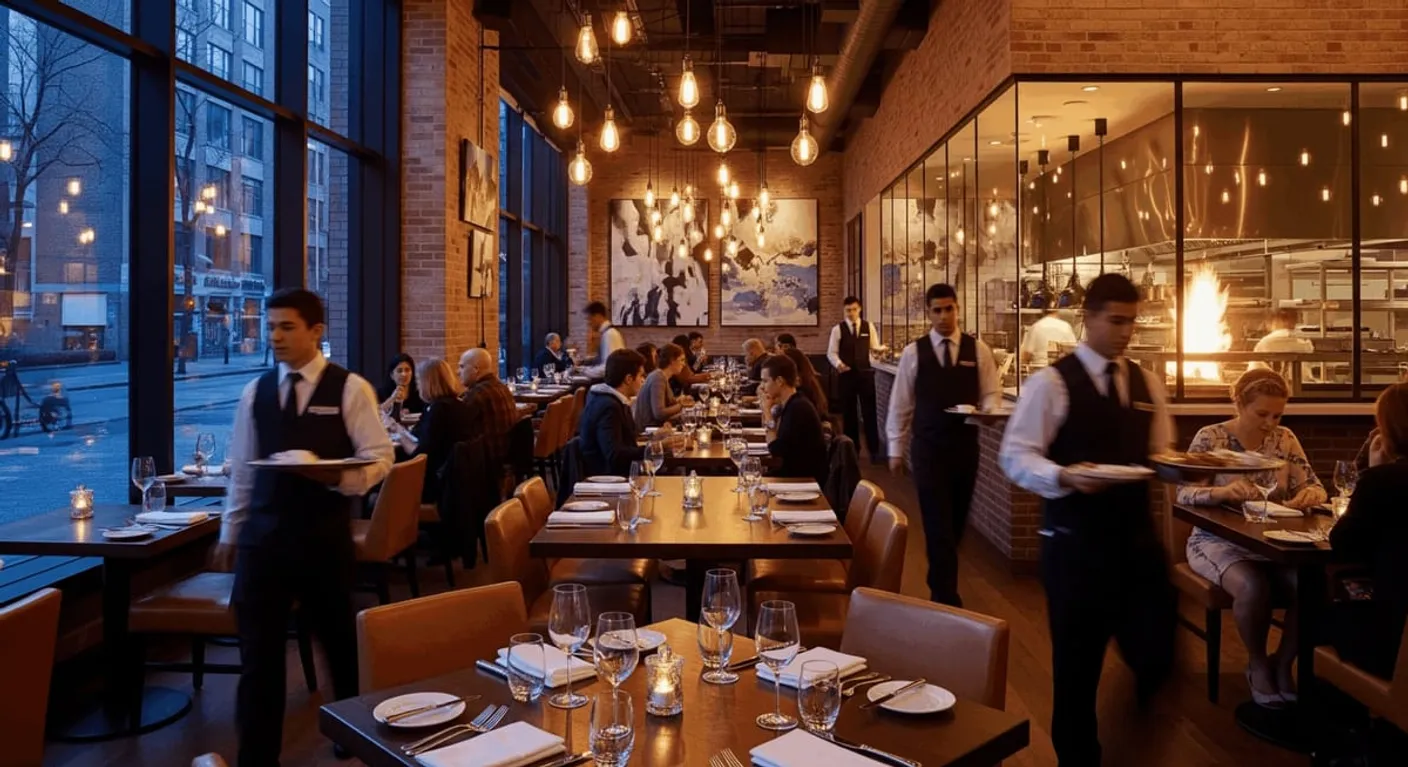
Guests experience your entire environment, not just your food. Lighting, music, décor, and cleanliness shape their feelings—and feelings drive whether they return.
Your ambiance should align with your concept and target audience. Execute it intentionally.
Design refreshes transform spaces
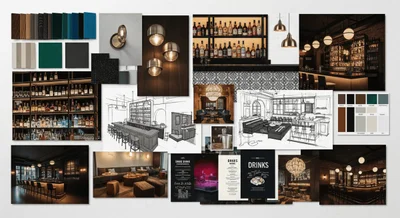
Look at your dining room as a first-time guest would. Fresh paint transforms spaces affordably—choose warm tones (reds, oranges, yellows) to stimulate appetite, or cool tones (blues, greens) for relaxed environments.
Replace or reupholster worn furniture. Wobbly tables and ripped upholstery signal neglect.
Lighting is crucial. Ditch harsh fluorescents for layered ambient, task, and accent lighting. Use dimmers for flexibility and candles for warmth.
Choose art and décor that reinforce your brand. Local artists and curated pieces create character—skip generic corporate art.
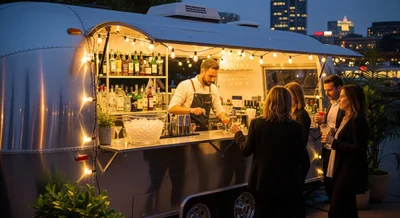
Maximize outdoor spaces with string lights, greenery, and comfortable seating to extend capacity and attract al fresco diners.
Curate playlists that match your concept. Upbeat for busy lunch service, mellow for intimate dinners. Volume should allow conversation without dish clatter dominating.
Cleanliness standards matter
Cleanliness is non-negotiable. One dirty restroom or sticky table can ruin an otherwise perfect experience.
Create cleaning checklists for all areas and assign clear responsibility. Make cleanliness part of your culture.
Restrooms need special attention—stock generously, clean multiple times during service, and check obsessively. They signal your attention to detail.
Train staff to clean as they go: wipe bars between guests, clear tables promptly, address spills immediately.
Fix maintenance issues immediately. Leaky faucets, flickering lights, and cracked tiles create an impression of neglect.
Keep your kitchen spotless—if you’re comfortable showing it to guests, you’re maintaining proper standards.
Digital marketing drives discovery and builds restaurant loyalty
Great food isn’t enough—if people don’t know you exist, you’re losing revenue. In 2025, your digital presence is as crucial as your physical location.
Social media builds connections
Claim and optimize profiles on Instagram, Facebook, and Google Business Profile. Use consistent branding, complete all information, and include current hours, menus, and reservation links.
Post consistently with a content calendar featuring menu highlights, behind-the-scenes content, staff spotlights, and seasonal specials. Show personality—avoid corporate-style promotional posts.
Invest in quality food photography using natural lighting and simple compositions. Encourage guest tagging and share user-generated content with permission.
Engage actively: respond to comments promptly, thank positive feedback, and address concerns professionally.
Build an email list through reservations and loyalty programs. Send regular updates about seasonal menus, events, and exclusive offers. Keep emails concise and valuable—avoid daily promotional spam.
Use targeted Facebook and Instagram ads for promotions and events. Even modest budgets can be effective with proper demographic and location targeting.
Online reviews impact decisions
Your online reviews on Google, Yelp, and TripAdvisor directly influence dining decisions. Ignoring them costs business.
Claim all major platform listings with accurate information, appealing photos, and current menus.
Respond to all reviews. Thank positive reviewers and handle negative feedback professionally—acknowledge issues, apologize sincerely, and offer offline solutions. Never argue publicly.
Encourage satisfied guests to leave reviews naturally. Train staff to mention it casually: “If you enjoyed your meal, we’d love a review on Google.”
Monitor reviews regularly to identify patterns and improvement areas. Use this free feedback to address operational blind spots.
Build a strong foundation of positive reviews through consistent exceptional experiences—this minimizes the impact of occasional negative feedback.
Financial tracking reveals profit opportunities and cost control
You can’t improve what you don’t measure. Track key performance indicators religiously: food cost percentage, labor cost percentage, average check size, table turnover rate, and customer acquisition cost.
Maintain food costs at 28-35% of revenue. If higher, investigate waste, portion inconsistency, or supplier price increases. Small menu price adjustments often create significant profit impacts without deterring guests.
Keep labor costs around 30-35% for full-service restaurants. Optimize scheduling during slow periods, leverage technology to eliminate tasks, and cross-train staff for flexibility.
Reduce waste through regular inventory audits, proper storage practices (FIFO), and strategic ordering based on spoilage patterns. Negotiate with suppliers regularly and consider purchasing groups for better rates.
Use menu engineering to identify profitable stars versus expensive duds. Analyze each item’s profitability and popularity, then promote winners and reconsider underperformers.
Control portions with standardized recipes and consistent measuring. Train kitchen staff properly—extra ounces per dish devastate margins when multiplied across hundreds of servings.
Review menu pricing annually minimum. Costs rise constantly; failing to adjust prices slowly suffocates profitability. Most guests accept reasonable increases when quality justifies them.
Monitor your break-even point and set clear revenue targets. Know exactly what you need daily, weekly, and monthly to cover costs and achieve profit goals.
Build cash reserves of at least three months’ operating expenses. Unexpected equipment failures or slow seasons can capsize thin-margin operations without adequate reserves.
Restaurant success requires consistent daily improvements
Improving your restaurant isn’t one grand gesture—it’s dozens of thoughtful decisions executed consistently. Successful establishments continuously refine every aspect of the guest experience, from back-door deliveries to front-door farewells.
Start with your biggest opportunity. Exceptional food but invisible online? Outstanding service but kitchen inefficiency? Focus on one area first. Trying to overhaul everything simultaneously leads to burnout and half-finished projects.
Your restaurant is never “finished.” Guest expectations evolve, competition emerges, markets shift. Stay relevant by remaining curious, receptive to feedback, and willing to adapt. Keep listening to guests, watching your numbers, and investing in your team.
Now get out there and make your restaurant the spot everyone’s talking about. You’ve got this.
Frequently Asked Questions
What technology can help streamline restaurant operations?
Modern POS systems track sales and inventory, kitchen display systems reduce order errors, reservation platforms prevent no-shows, and **inventory management software** reduces waste. Choose technology that solves specific operational problems you’re experiencing rather than adopting trendy tools.
How much cash reserve should a restaurant maintain?
Aim for **at least three months** of operating expenses saved, more if possible. Restaurants operate on thin margins, and unexpected equipment failures or economic downturns can threaten operations without adequate reserves to weather challenges.
What is the 30/30/30 Rule for Restaurants?
The 30/30/30 rule is a strategy for managing restaurant costs effectively by dividing resources into **three categories**, each at 30%: food and beverage, labor, and overhead. This system aims to enhance profitability and sustainability.