Creating the perfect restaurant menu involves much more than throwing together your recipes and prices. You’ll need to consider everything from psychology and layout to cost analysis and seasonal adjustments. The right menu becomes your silent salesperson, subtly influencing decisions while showcasing your culinary brand.
Whether you’re launching a new restaurant or revamping your existing menu, understanding the strategic elements behind successful menu design will transform how customers interact with your offerings, and boost your profitability.
Understanding your restaurant’s identity and target audience
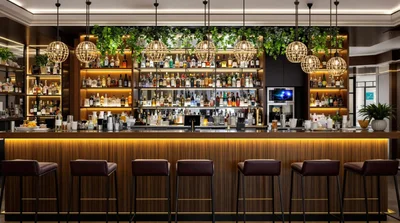
Restaurant identity is the unique personality and positioning that sets your establishment apart in a crowded marketplace. Your concept—whether it’s a cozy neighborhood bistro, upscale steakhouse, or fast-casual taco joint—directly shapes every menu decision you’ll make.
Your target audience forms the other half of this equation. Demographics like age, income level, and dining preferences determine whether you’re crafting comfort food for families or innovative small plates for adventurous millennials. Local market research reveals invaluable insights about your customers’ spending habits and flavor preferences, while analyzing competitors’ successful menu items gives you a roadmap for what resonates in your specific location.
When your identity aligns seamlessly with your audience’s desires, you create that magical sweet spot where profitability meets customer loyalty—and that’s where successful restaurant menus truly shine.
Planning your menu structure and categories
Menu structure acts as a roadmap that guides customers through their dining journey. A thoughtfully organized menu reduces decision fatigue and naturally leads diners toward the selections you want them to make.
Organizing food items by course
Traditional course organization remains the gold standard for restaurant menus because it mirrors how people naturally think about meals. Start with appetizers, move through mains, and finish with desserts—this familiar pattern puts customers at ease and helps them navigate effortlessly.
Your appetizer section sets the tone for the entire experience. Group lighter options like salads and small plates first, followed by heartier starters. Main courses deserve the most strategic attention since they generate your highest revenue. Organize proteins by type—seafood, poultry, beef, pork, and vegetarian options. Within each protein category, arrange dishes from lightest to richest preparation styles.
Consider your kitchen’s capabilities when structuring courses. If your grill produces exceptional steaks but struggles with delicate fish preparations, dedicate more menu real estate to beef selections. Your strongest dishes deserve prominent placement within their respective categories.
Creating logical flow and navigation
Menu navigation directly impacts order speed and customer satisfaction. Design your layout so diners can quickly locate their preferred options without excessive scanning or backtracking through sections.
Use consistent formatting throughout each category to create visual rhythm. Keep item names, descriptions, and prices in the same relative positions across all sections. This consistency reduces cognitive load and helps customers process information faster.
Strategic white space prevents your menu from looking cluttered while guiding the eye naturally from one section to the next. Price positioning affects purchasing decisions more than you might expect. Placing prices at the end of descriptions rather than in a separate column reduces price comparison shopping.
Consider your dining room’s lighting conditions when choosing fonts and sizing. Test menu readability during actual service hours to ensure all age groups can navigate comfortably.
Menu item design and descriptions boost sales significantly
Your menu items and descriptions transform casual browsers into enthusiastic diners—and hesitant customers into repeat guests. The words you choose and the prices you set create an invisible bridge between your kitchen’s creativity and your customers’ wallets.
Writing compelling food descriptions
Food descriptions act as your silent salespeople, working 24/7 to sell your dishes without ever clocking out. Your goal? Paint a picture so vivid that customers can practically taste the food before it arrives.
Incorporate specific sensory words that trigger hunger responses. Instead of “grilled chicken,” write “flame-seared chicken breast with crispy herb crust.” Research from Cornell University shows that descriptive menu language increases sales by 27% compared to basic descriptions.
Limit descriptions to 15-25 words maximum. Customers lose interest in lengthy paragraphs, especially during busy lunch rushes. Focus on three key elements: cooking method, primary ingredients, and standout flavors.
Mention specific ingredient origins when they add value—”grass-fed beef,” “local heirloom tomatoes,” or “imported Parmesan.” These details justify higher prices while appealing to quality-conscious diners.
Position your most compelling descriptors at the beginning of each description. Eye-tracking studies reveal customers spend 3-5 seconds scanning menu items, making first impressions crucial for driving orders.
Pricing strategies for menu items
Menu pricing directly impacts your restaurant’s profitability and customer perception. Strategic pricing psychology can increase your average check size by 15-20% without alienating budget-conscious guests.
Remove dollar signs and decimal points from prices—$18 becomes simply “18.” This technique, called “charm pricing,”reduces the psychological impact of spending. Studies show customers spend 8-12% more when prices appear as whole numbers without currency symbols.
Place your highest-priced item strategically to make other options appear reasonable. If your premium steak costs $45, your $28 salmon suddenly looks like excellent value. This anchoring effect influences 73% of customer decisions according to behavioral economics research.
Position high-margin items in the upper-right corner of menu sections—the first place eyes naturally land. Avoid listing prices in neat columns, which encourages direct price comparison rather than value assessment.
Research competitor pricing within a 3-mile radius quarterly. Price your signature dishes 5-10% above similar offerings to position your restaurant as premium, while keeping popular items competitive to maintain traffic flow.
Visual design and layout maximize menu effectiveness
Your menu’s visual design serves as the silent salesperson that works around the clock, influencing customer choices before they even read a single word. Smart design choices transform a simple list of dishes into a powerful profit-driving tool.
Choosing colors, fonts, and images
Color psychology plays a crucial role in appetite stimulation and brand perception. Warm colors like deep reds and rich oranges naturally increase hunger and create cozy atmospheres, while cooler blues can actually suppress appetite. Earth tones like browns and greens work exceptionally well for farm-to-table concepts, conveying freshness and sustainability.
Typography affects readability and brand personality more than most restaurant owners realize. Sans-serif fonts like Helvetica provide clean, modern aesthetics perfect for casual dining, while serif fonts add elegance for upscale establishments. Avoid decorative fonts that sacrifice legibility—customers won’t struggle to read fancy script when they’re hungry.
Strategic image placement can increase item sales by up to 30%, but use photos sparingly. Feature only your signature dishes or highest-margin items with professional photography. Poor-quality images damage perceived value, so invest in proper food photography or skip images entirely.
White space acts as your design’s breathing room, guiding eyes naturally through your menu’s flow and preventing visual clutter that confuses diners.
Menu size and format options
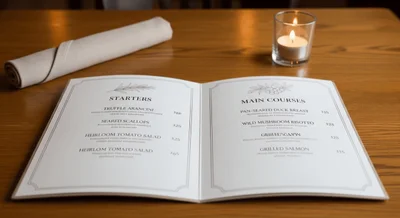
Single-page menus work best for cafes and fast-casual restaurants with focused offerings, typically accommodating 15-25 items comfortably. Two-page spreads suit full-service restaurants with diverse offerings, allowing proper categorization without cramming. The right page naturally draws attention first, making it prime real estate for high-margin items.
Digital menu boards offer flexibility for quick price changes and limited-time offers, costing $300-800 initially but saving printing expenses long-term. However, customers often prefer physical menus they can reference throughout their meal.
Standard letter size (8.5″ x 11″) provides familiar handling while keeping printing costs reasonable. Larger formats create premium impressions but increase printing expenses by 40-60%. Consider your table space limitations—oversized menus become awkward on small bistro tables.
Digital vs physical menus: choose the right approach
The choice between digital and physical menu creation fundamentally shapes how you present your restaurant’s offerings and connect with customers. Both approaches offer distinct advantages, and many successful restaurants strategically combine elements from each method.
Digital menu tools
Digital menu creation transforms your restaurant’s ordering process while streamlining menu management tasks. Modern online menu builders like Canva, Adobe InDesign, and specialized restaurant platforms provide drag-and-drop interfaces that eliminate the need for graphic design expertise.
These platforms offer restaurant-specific templates, automatic nutritional calculation features, and real-time pricing updates across multiple locations. You can modify descriptions, swap images, and adjust prices instantly without reprinting costs. Digital menus integrate seamlessly with QR code systems, allowing customers to access updated information through smartphones.
Digital creation excels during seasonal menu changes, daily specials management, and multi-location consistency. You can A/B test different descriptions and optimize your offerings based on real customer interaction data—insights that traditional menus can’t provide.
Professional design
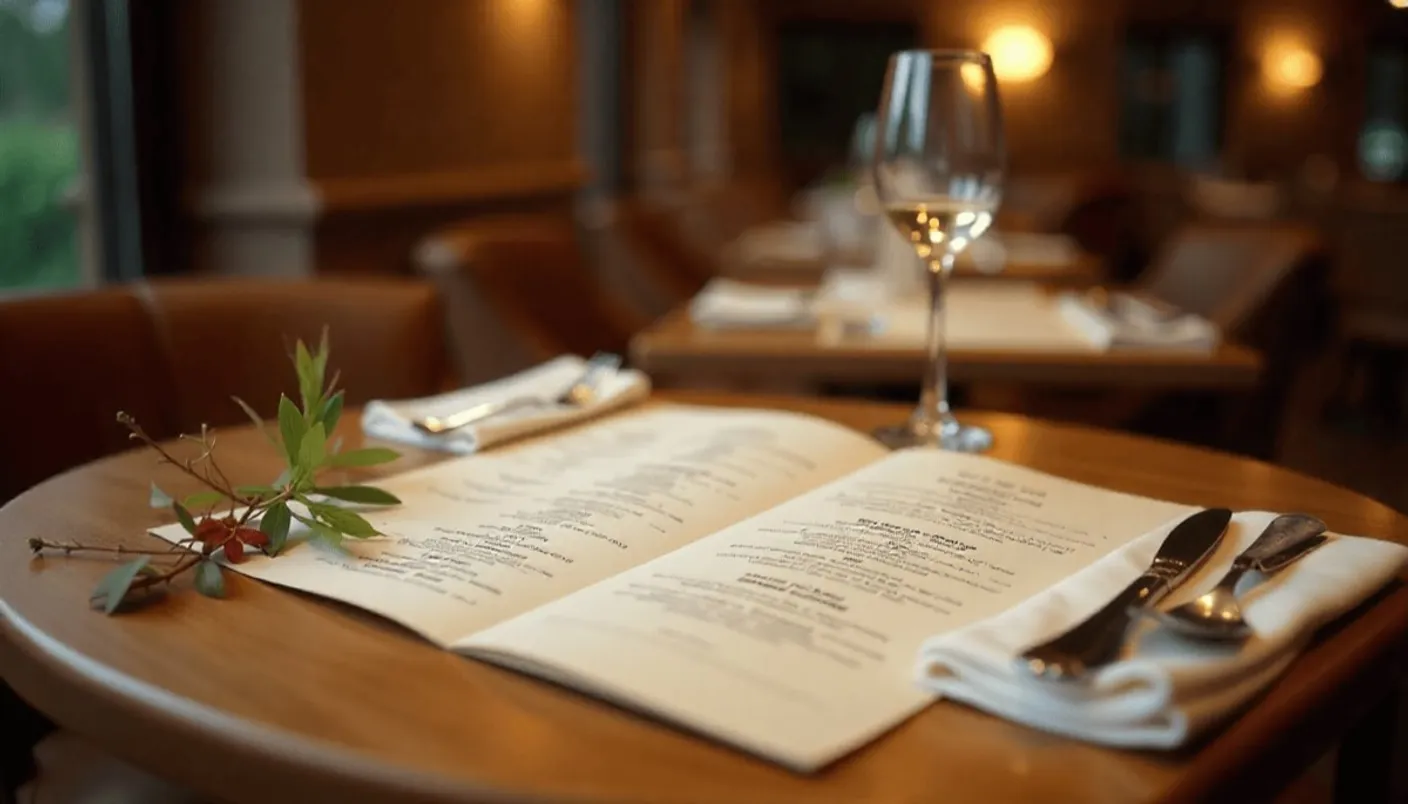
Physical menus create tangible connections between customers and your restaurant’s personality through carefully selected materials, textures, and visual elements. Professional design services typically charge $500-2,000 for comprehensive menu creation, delivering custom layouts that reflect your brand’s unique character.
Working with graphic designers provides access to advanced typography expertise, color theory application, and print production knowledge. Professional services handle print specifications, paper weight selection, and coating options that protect against spills and frequent handling.
Print menus offer psychological advantages—customers spend 30% more time reading physical menus compared to digital versions, leading to higher average order values. The tactile experience creates memorable impressions, and beautifully designed physical menus often become conversation starters.
However, print creation requires longer lead times (5-10 business days), higher upfront costs, and complete reprinting for any changes. Professional designers can create templates that accommodate future modifications while maintaining consistent branding.
Conclusion: Restaurant menu creation drives long-term business success
Restaurant menu creation drives long-term business success by balancing multiple elements that work together to impact your bottom line. Your menu serves as both a marketing tool and operational guide that directly influences profitability.
Remember that menu creation isn’t a one-time task—it’s an ongoing process that evolves with your restaurant. Regular updates keep your offerings fresh and allow you to respond to changing customer preferences and market conditions.
Whether you choose digital tools or work with professional designers, your focus should remain on creating clear navigation and compelling descriptions. The investment you make in thoughtful menu development will pay dividends through increased sales and improved customer satisfaction.
Start implementing these strategies today, and you’ll see how the right menu design transforms casual diners into loyal customers who return again and again.
Frequently asked questions
What are the best pricing strategies for menu items?
Use charm pricing (ending in .95 or .99) for budget-conscious items and rounded prices for premium dishes. Implement price anchoring by placing higher-priced items strategically to make other options seem more reasonable.
What menu size and format works best for restaurants?
Single-page menus work well for casual dining establishments, while two-page spreads suit full-service restaurants with extensive offerings. Consider your restaurant’s concept, number of items, and customer dining patterns. Ensure the format allows easy reading and doesn’t overwhelm customers with too many choices.
How many items should a menu have?
A common guideline is 7-10 items per category (e.g., appetizers, entrees, desserts), but this may vary depending on your niche. Extensive menus can confuse customers, while focused menus work well for specialized concepts like burger joints or sushi bars.