Whether you’re opening your first restaurant or renovating an existing space, getting your bar setup right from the start can make or break your success. A well-designed bar layout boosts efficiency, increases sales, and creates that inviting atmosphere customers crave. From choosing the right equipment and optimizing your workflow to designing a space that encourages lingering over another round, every detail matters.
You’re about to discover the essential elements that transform an ordinary bar area into a profit-generating powerhouse that keeps both staff and customers happy.
Must-have bar equipment that drives restaurant profits
Your bar’s success depends on having the right equipment working seamlessly. Without proper components, even talented bartenders can’t deliver the speed and quality customers expect.
Quality glassware essentials
Your glassware collection forms the foundation of every drink experience. Start with essentials: highball glasses, rocks glasses, wine glasses (red and white), champagne flutes, and beer glasses. Add specialty options like martini glasses, shot glasses, and collins glasses—these enhance specific beverages beyond aesthetics.
Invest in tempered, commercial-grade glassware that withstands daily restaurant service. Calculate needs based on seating capacity multiplied by three to account for washing cycles and peak periods. Quality matters—cheap glassware breaks easily, creating safety hazards and replacement costs that hurt profits.
Professional bar tools
Essential tools include cocktail shakers (Boston and cobbler styles), jiggers, bar spoons, muddlers, and strainers (Hawthorne and fine mesh). Add bottle openers, wine keys, cutting boards, paring knives, bar towels, ice scoops, pour spouts, and cocktail picks.
Speed rails keep frequently used spirits within arm’s reach, shaving seconds off drink preparation. Organize tools with magnetic strips, hanging racks, or designated drawers so bartenders can work efficiently without searching.
Refrigeration systems
Multiple refrigeration zones working together maximize efficiency and quality. Back bar refrigerators keep beverages at optimal temperatures while remaining accessible. Under-counter units store garnishes, juices, and specialty ingredients within reach.
Ice machines need roughly 1.5 pounds per customer daily, plus 20% buffer for peak periods. Walk-in coolers handle bulk storage for kegs and inventory. Temperature consistency prevents expensive spoilage—consider monitoring systems that alert you to problems early.
Glass chillers and bottle coolers maintain perfect serving temperatures while creating impressive visual displays.
Modern POS systems
Modern POS systems offer bar-specific features like quick-pour buttons, happy hour pricing, and inventory tracking. Include contactless payments, mobile options, and traditional card processing with sub-three-second transaction speeds.
Choose systems that integrate with inventory management, accounting, and scheduling software to eliminate double data entry and provide real-time performance insights. Consider tablet-based or mobile units for tableside payments and outdoor events.
How to design profitable bar layouts and optimize space
Your bar’s physical design is where functionality meets profitability—every element should work efficiently for both staff and customers.
Space optimization tips
Every square foot needs to maximize both workspace and revenue-generating seating without creating a cramped environment.
Map out traffic patterns and ensure bartenders have 3-4 feet (0.9-1.2 meters) of workspace behind the bar. Apply the **“triangle concept”**where your most-used items (ice well, register, and speed rail) form an efficient triangle within arm’s reach.
Maximize vertical space with overhead glass racks and wall-mounted bottle displays. Your back bar should store inventory attractively—customers enjoy seeing premium bottles under proper lighting. Every optimized inch translates to smoother service and higher turnover rates.
Workflow efficiency
Your bar should flow seamlessly during rush periods. Position frequently used spirits in the speed rail—vodka, gin, rum, whiskey, and tequila. Place ice wells strategically so bartenders can work without crossing paths or blocking teammates.
Create dedicated stations: cocktail station (shakers, strainers, garnishes), beer station (taps, openers, chilled mugs), and wine station (corkscrews, aerators, glassware). This prevents frantic searching during peak hours.
Customer seating setup
Bar stool spacing should be 24-26 inches (61-66 cm) center to center—close enough for intimacy but spacious enough for comfort.
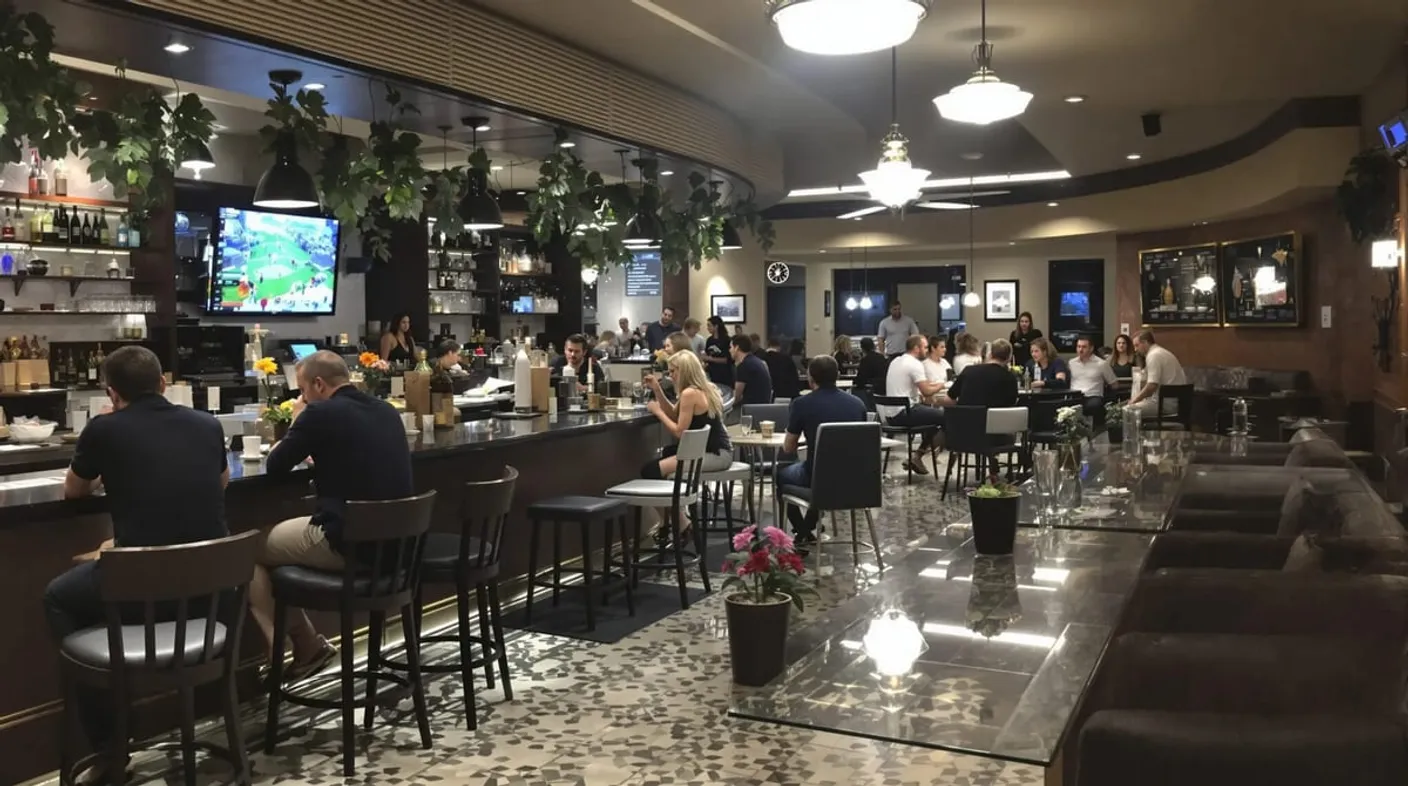
Mix seating types: high-top tables for social atmosphere, bar rail for quick service, and corner booths for lingering customers. Position seating so guests can watch bartenders craft cocktails—it’s dinner theater they’ll pay premium for. Strategic mirrors make spaces feel larger and enable discrete people-watching.
Smart storage solutions
Under-bar refrigeration should house frequently accessed items—beer, white wine, mixers, and garnishes. Position speed racks 6-8 inches (15-20 cm) below shoulder level to prevent strain.
Use pull-out drawers instead of deep cabinets for backup glassware, tools, and supplies. Rotate inventory seasonally—keep your most profitable items front and center while storing seasonal products efficiently.
Best liquor inventory strategies for maximum profits
Your bar’s success depends on curating the right mix of beverages that keep customers returning. Every bottle on your shelves should justify its place through consistent sales.
Spirits and wine basics
Start with essential spirits: premium vodka, gin, whiskey, rum, and tequila. These will handle 80% of your cocktail orders. Stock quality supporting ingredients like vermouth, triple sec, and bitters – they’re crucial for classic cocktails like Manhattans and Negronis.
Match your wine selection to your food menu. Steakhouses need robust reds, while seafood restaurants should focus on crisp whites and rosés. Know your neighborhood – expensive mezcal works in trendy downtown bars but may sit idle in sports bars.
Track pour costs carefully: aim for 18-22% for spirits and 25-30% for wine. Every slow-moving bottle represents tied-up capital.
Draft beer systems
A well-maintained draft system can boost beer profits by 40% over bottles. Keep beer lines between 36-38°F (2-3°C) and clean them every two weeks. Dirty lines result in off-flavors and lost customers.
For runs longer than 25 feet, install glycol cooling systems. Choose 6-12 taps for most establishments, mixing local craft favorites with reliable crowd-pleasers like lagers and IPAs. Flow meters help identify problems early and control pour costs.
Digital inventory tools
Digital inventory systems like BevSpot or Partender connect to your POS, tracking every pour in real-time. These platforms identify fast-moving and slow-moving products while setting automatic reorder points to prevent stockouts.
Use perpetual inventory alongside periodic physical counts to catch shrinkage early from over-pouring, spillage, or theft. QR codes and barcode scanners reduce counting time from hours to minutes. Investigate any variance over 3%.
Building supplier bonds
Treat suppliers as business partners. The best ones offer market insights and exclusive product access. Negotiate net-30 or net-45 payment terms for free inventory financing. Establish reasonable minimum orders, but consider combining orders with other local establishments for better pricing.
Maintain multiple suppliers per category to prevent supply disruptions. Regular supplier meetings reveal upcoming price changes, new products, and seasonal availability issues – valuable intelligence for planning promotions and menu adjustments ahead of competitors.
Technology that transforms bars into profit centers
Technology transforms your bar from a simple beverage station into a sophisticated profit center. Smart integration streamlines operations while creating memorable customer experiences.
Digital menu systems
Digital menu boards eliminate printing costs (goodbye $200+ monthly reprints) while giving you instant control over pricing and availability. Update drink specials in real-time based on inventory or demand — running low on premium vodka? Switch to gin-based cocktails instantly.
Smart systems enable dynamic pricing with automatic happy hour activation and weekend premiums. Some integrate with your POS to highlight high-margin items during slow periods.
| Digital Menu Benefits | Impact |
|---|---|
| Menu printing costs eliminated | Save $150-300 monthly |
| Update time reduction | From 2 hours to 2 minutes |
| Customer dwell time increase | 12-15% longer stays |
| Upselling effectiveness | 23% higher average tickets |
High-resolution cocktail images create desire that static menus cannot match.
Automated inventory tracking
Modern inventory systems transform weekly counting into automated precision. These platforms track every ounce poured through POS integration while identifying theft patterns and overpouring issues.
Discover which bartender consistently overpours (costing you thousands annually) and identify slow-moving inventory before expiration. Systems predict reorder points based on seasonal trends and connect directly with distributors for automatic restocking.
| Inventory Software Features | Value |
|---|---|
| Variance tracking accuracy | Within 1-2% of actual usage |
| Time saved weekly | 4-6 hours of manual counting |
| Theft detection capability | Identifies 15-20% hidden losses |
| Reorder automation | Prevents 95% of stockouts |
Choose systems that integrate with your POS and provide mobile apps for quick counts from anywhere.
Self-service ordering
Self-service ordering reduces labor costs while increasing order accuracy and ticket size. Customers browse menus at their own pace through QR codes or tablets, with orders flowing directly to your POS system.
These platforms excel during peak hours and automatically suggest wine pairings, appetizers, and premium upgrades without staff training. Customers spend 15-20% more compared to traditional ordering methods.
| Ordering Platform Results | Performance |
|---|---|
| Order accuracy improvement | 98% vs 85% traditional |
| Average ticket increase | 15-20% higher |
| Labor cost reduction | 2-3 fewer server hours daily |
| Customer satisfaction boost | 18% improvement scores |
Choose platforms that sync with your POS, inventory management, and loyalty programs — avoid creating disconnected data silos.
Your bar setup success depends on these final steps
Setting up your restaurant bar requires careful attention to every detail from equipment selection to staff training. When you balance operational efficiency with customer experience, you’ll create a space that drives consistent revenue growth.
Remember that your bar setup isn’t a one-time project. You’ll need to adapt your inventory selection, monitor compliance requirements, and upgrade technology as your business evolves. The most successful bars continuously refine their operations based on customer feedbackand industry trends.
Your investment in proper bar setup will pay dividends through improved service speed, higher profit margins, and enhanced customer satisfaction. Focus on building strong foundations now, and you’ll enjoy the benefits for years to come.
Frequently Asked Questions
How important is staff training for bar operations?
Staff training is crucial for executing your bar’s vision successfully. Bartenders need to master pouring techniques, develop product knowledge, and build soft skills for customer interactions. Establish clear service standards, communication protocols between bar and kitchen staff, and comprehensive safety training including alcohol service laws and emergency procedures.
What legal requirements must I meet for my bar?
Obtain proper liquor licenses and permits, including entertainment permits if needed. Comply with health department standards for food safety, sanitation, and equipment maintenance. Secure specialized bar insurance including liquor liability and property coverage. Stay current with local alcohol service laws and ensure all staff understand legal compliance requirements.
What safety protocols should I establish for my bar?
Train staff on handling broken glassware safely, understanding alcohol service laws, and preventing slip and fall accidents. Establish clear procedures for emergencies and maintain first aid supplies. Implement proper lifting techniques for heavy items and ensure adequate lighting in work areas. Regular safety meetings help maintain awareness and prevent accidents.